Are you considering Invisalign in East London but unsure what the treatment involves? Understanding each stage from your first consultation to wearing your final retainers can help you decide whether clear aligners are right for you.
Based on Cambridge Heath Road in E2, Chrysanth Dental Care provides Invisalign consultations for patients from Bethnal Green, Hackney and surrounding East London areas. Here is what you can expect throughout your treatment journey.
Is Invisalign the Right Treatment for You?
Invisalign uses a series of custom-made, removable clear aligners to gradually move your teeth. It may be suitable for concerns such as crowded teeth, gaps, rotations and certain bite problems.
However, Invisalign is not the right option for every patient. The best way to find out is through a professional consultation.
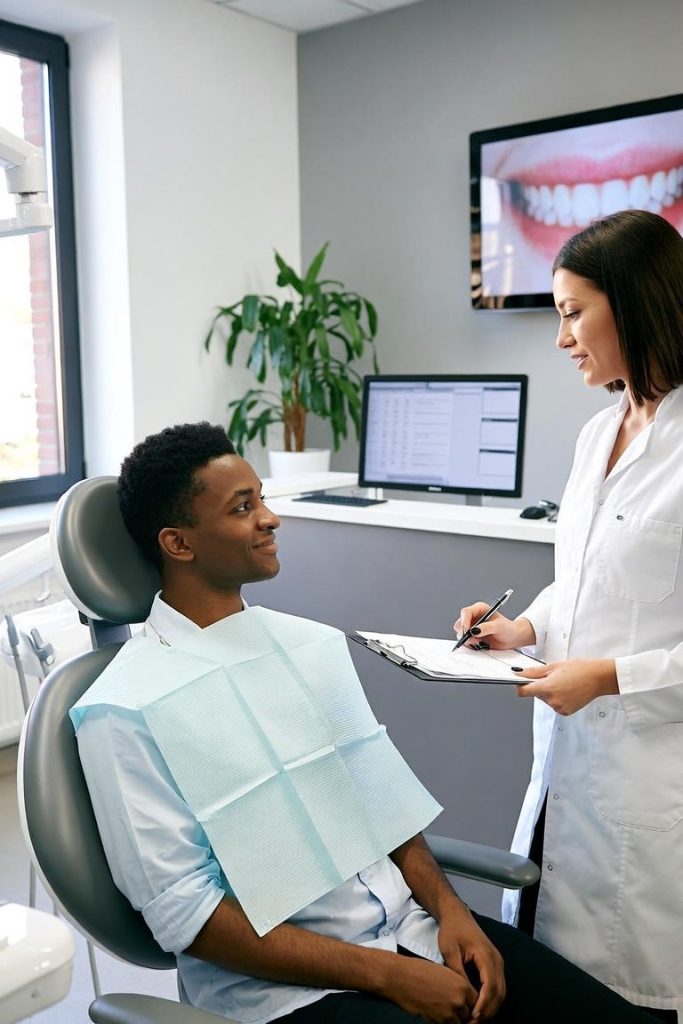
During your first appointment, your dentist will:
Discuss what you would like to change about your smile
Examine the position of your teeth and your bite
Check the health of your teeth and gums
Explain the treatment options that may suit you
Answer questions about treatment time, costs and expected results
Any active tooth decay or gum problems will normally need to be addressed before orthodontic treatment begins. More complex cases may also require a different orthodontic approach.
Chrysanth Dental Care’s Cambridge Heath Road practice is conveniently located for patients travelling from Bethnal Green, Hackney and the wider E2 area.
What Happens During Invisalign Treatment?
If Invisalign is suitable for you, your dentist will create a treatment plan based on the current position of your teeth and the result you would like to achieve.
Digital scans and treatment planning
Digital scans or impressions are taken to create an accurate record of your teeth. These are used to plan the gradual movements required and produce your custom aligners. You may also be shown a digital preview of how your smile could look following treatment.
Receiving your first aligners
Once your aligners are ready, your dentist will check their fit and show you how to insert, remove and care for them. Some patients may also need small, tooth-coloured attachments placed on selected teeth to help the aligners create more precise movements.
Changing your aligners
Each set of aligners is usually worn for a specified period before you move on to the next set. You should follow the schedule provided by your dentist and avoid changing aligners earlier than advised.
Most patients will need to wear their aligners for approximately 20–22 hours per day. They should only be removed for eating, drinking anything other than water, brushing and flossing.
You can learn more about professionally supervised Invisalign treatment in East London, including how the aligners work and the treatment options available.
Living with Invisalign Day to Day
The aligners are removable, making them easier to fit around work, meals and social occasions. However, wearing and caring for them consistently is essential.
Eating and drinking: Remove your aligners before eating or drinking anything other than water. Tea, coffee and strongly coloured drinks can stain the trays, while hot drinks may affect their shape.
Cleaning your teeth: Brush your teeth before replacing your aligners whenever possible. This helps prevent food and sugar from becoming trapped between the aligners and your teeth.
Cleaning your aligners: Rinse the aligners when you remove them and clean them using the method recommended by your dental team. Avoid hot water and abrasive toothpaste, as these could damage the trays.
Managing discomfort: Mild tightness or tenderness can occur when you start wearing a new set of aligners. This usually settles as your mouth adjusts. Contact your dentist if you experience persistent pain, damage an aligner or find that it no longer fits correctly.
Regular review appointments allow your dentist to check that your teeth are moving as planned. The frequency of these appointments will depend on your individual treatment plan.
How Long Does Invisalign Treatment Take?
Treatment time varies depending on the position of your teeth, the complexity of the movements required and how consistently you wear your aligners.
Mild cases may be completed within several months, while more complex cases can take longer. Your dentist will provide a personalised estimate after examining your teeth, although treatment times can change depending on how your teeth respond.
At the end of your initial series of aligners, your dentist will review your progress. Some patients may need additional refinement aligners to make smaller adjustments before treatment is completed.
You will also need to wear retainers after treatment. Retainers help maintain the new position of your teeth and reduce the risk of them gradually moving back. Your dentist will explain how often and for how long yours should be worn.
The price of treatment will depend on your individual needs and the number of aligners required. Further information is available on Chrysanth Dental Care’s Invisalign in East London page, but an exact treatment plan and cost can only be confirmed following a consultation.
Ready to begin your Invisalign journey?
If you are considering Invisalign in Bethnal Green, Hackney or the surrounding East London area, Chrysanth Dental Care can assess your smile and explain the options available to you.
A confident smile can work wonders on how you feel about yourself. Your smile plays a bigger role in your confidence than you may think, whether you are meeting someone for the first time, attending an important event or just looking in the mirror every morning.
Dental issues are a part of life for many people for years. Perhaps you’ve seen some staining that just won’t come off with whitening toothpaste, a chipped tooth that has always bothered you, or teeth that have shifted over the years. These issues are common, but they can affect your ability to smile and interact freely with other people. In fact, 23% of UK adults don’t show their teeth when they smile.
This is where a smile makeover comes in.
In this guide we’ll tell you what a smile makeover is, what treatments might be involved, and how to tell if it’s the right choice for you.
What Is a Smile Makeover?
A smile makeover is a customised combination of cosmetic, restorative, and cosmetic dentistry procedures designed to improve the appearance, function, and overall harmony of your smile.
Rather than focusing on one isolated issue, a smile makeover looks at the bigger picture. It considers factors such as:
Tooth colour
Tooth shape and size
Alignment
Spacing
Gum appearance
Facial proportions
Bite function
Every smile is unique, therefore every smile makeover is unique.
What Dental Issues Can a Smile Makeover Address?
Many people assume smile makeovers are only for major cosmetic concerns, but they can address a wide range of issues.
Discoloured or Stained Teeth
Years of consuming tea, coffee, red wine, and certain foods can leave teeth looking dull or stained. Professional whitening treatments can often help you achieve a brighter smile, though smile bright results depend on the cause of staining and the treatment used.
Chipped or Cracked Teeth
Small chips and cracks might seem insignificant, but they can really affect the way your smile looks overall. Composite bonding, dental bonding or veneers can often restore a natural look. Bonding uses tooth coloured resin, and is often completed in one visit.
Gaps Between Teeth
Some patients like the look of their natural spaces while others want a more uniform appearance. Options may include bonding, veneers or orthodontic treatment, depending on the size of the gaps between the teeth.
Crooked or Misaligned Teeth
Even slight misalignment or crooked teeth can affect both appearance and oral health. Modern orthodontic treatments such as Invisalign and other clear aligners can discreetly straighten teeth, whereas traditional metal braces may be recommended for cases needing more substantial correction.
Worn Teeth
Teeth naturally wear down over time. Grinding, clenching, and ageing can contribute to a shorter, uneven appearance that may benefit from restorative treatment, as worn teeth can also be weakened teeth that need strengthening as well as cosmetic improvement.
Missing Teeth
Missing teeth, or lost teeth, can affect chewing, speech, and confidence. Dental implants and other restorative solutions can help rebuild both function and appearance, with implants offering a permanent solution that also helps prevent shifting of adjacent teeth.
Uneven Gum Lines
Sometimes the issue isn’t the teeth themselves but the surrounding gum tissue, and a gummy smile is a common reason patients consider this treatment. Gum contouring, sometimes called a gum lift, can help create better balance and symmetry.
What Treatments Are Included in a Smile Makeover?
A smile makeover involves tailored smile makeover procedures. Instead, your dentist chooses dental procedures based on your specific aesthetic and functional needs.
Teeth Whitening
Professional teeth whitening remains one of the most popular cosmetic dental treatments.
Unlike over-the-counter products, professional whitening is tailored to your teeth and supervised by dental professionals. This helps achieve more predictable and longer-lasting results.
Many patients are surprised by how much brighter and healthier their smile can appear after whitening alone.
Composite Bonding
Composite bonding uses a tooth-coloured resin to improve the appearance of teeth. It can also help preserve natural teeth because it usually requires minimal alteration.
It can be used to:
Repair chips
Close small gaps
Improve tooth shape
Mask minor discolouration
One reason bonding is so popular is that it often requires minimal alteration to natural tooth structure. Composite bonding starts at £250 per tooth.
Dental Veneers
Porcelain veneers are thin custom-made shells that are bonded to the front surface of teeth.
They can address multiple concerns simultaneously, including:
Discolouration
Minor misalignment
Uneven tooth shape
Small gaps
Modern veneers are designed to look highly natural when planned and placed correctly. Porcelain veneers start at £859 per tooth.
Invisalign and Teeth Straightening
Many adults avoid traditional braces because they worry about appearance.
Clear aligner systems, such as Invisalign, offer an invisible way to straighten teeth. The aligners are easy to remove, comfortable to wear in daily life and will gradually straighten teeth over time.
Orthodontic treatments are frequently an important part of a smile makeover plan if they have alignment issues, and may also help with bite issues.
Teeth straightening can cost from £2,600.
Dental Crowns
Crowns may be recommended when a tooth is heavily damaged or weakened.
They restore strength while also improving appearance, helping blend the tooth seamlessly with the surrounding smile.
Dental Implants
Dental implants are often used as part of a wider smile makeover to replace one or more missing teeth and are often considered the gold standard replacement option.
The visible tooth and root below the gum line are replaced with implants, providing a secure and natural-looking result and supporting overall oral health as well as appearance and function.
Gum Contouring
Sometimes creating a balanced smile involves reshaping the gum line.
Gum contouring can help address:
Excessive gum display
Uneven gum levels
Asymmetrical smile aesthetics
When combined with other cosmetic treatments, the results can be transformative.
How Does the Smile Makeover Process Work?
One of the most common questions we hear is, “Where do I start?”
The process is typically more straightforward than many people expect.
Initial Consultation
Everything begins with a detailed consultation.
We take the time to understand:
What you like about your smile
What concerns you
Your smile goals and expectations
Your oral health needs to shape a personalised treatment plan
This conversation forms the foundation of the entire treatment plan and a customized plan for your care.
Smile Assessment
A comprehensive examination allows us to assess:
Oral health
Gum condition
Tooth structure
Bite alignment
Existing restorations
Healthy foundations are essential before cosmetic treatment begins.
Digital Smile Planning
Modern dentistry allows us to visualise potential outcomes before treatment starts.
Digital imaging and smile design technology, including smile simulation, can help patients better understand what is achievable and make informed decisions while previewing their new smile before treatment begins.
Personalised Treatment Planning
No two treatment plans are identical, and each personalised treatment plan is shaped around your goals.
Some patients achieve their goals with a single treatment. Others benefit from a phased approach involving the procedures involved over time.
Treatment Delivery
Depending on the complexity of the makeover, treatment timing can range from a single appointment to several months as part of your smile makeover journey.
Orthodontic treatment generally requires the longest timeline, while whitening and bonding can often be completed much more quickly.
Ongoing Maintenance
A beautiful smile deserves ongoing care.
Regular dental examinations, hygiene visits, and good oral hygiene at home, including brushing and flossing habits, all help maintain long-term results.
Is a Smile Makeover Worth It?
The answer depends on your goals, but many patients find the benefits extend far beyond appearance.
Improved Confidence
Perhaps the most noticeable change is greater self-confidence and self-esteem.
Patients frequently tell us these changes bring real psychological benefits in social and professional situations:
Smile more often
Feel more comfortable in photographs
Speak more confidently
Feel less self-conscious socially
Better Oral Health
Many smile makeover treatments can also support better oral health.
For example:
Straighter teeth are often easier to clean.
Replacing missing teeth can improve function.
Repairing damaged teeth may help prevent future complications.
Long-Term Value
While cosmetic dentistry represents an investment, costs can vary significantly depending on treatment complexity, materials, and timeline, but quality treatment can provide benefits for many years when properly maintained, and many patients opt for care not only to improve appearance but also to support confidence and quality of life.
Who Is a Good Candidate for a Smile Makeover?
Most adults with healthy teeth and gums can be considered for cosmetic treatment.
Our experienced cosmetic dentists listen to each patient’s concerns, goals and expectations before recommending treatment. We combine the latest technology with a personalised approach to help you achieve a healthy, beautiful smile that looks natural and feels real.
From teeth whitening, composite bonding, veneers, Invisalign, dental implants to a full smile makeover, we are dedicated to providing results that improve both the appearance and long-term health of your teeth. Our East London practice offers a complete range of cosmetic and general dental treatments, all in one location, which allows us to develop fully personalised smile makeover plans for a perfect smile and a new smile.
Final Thoughts
A smile makeover is much more than one cosmetic procedure. It is a personalised treatment plan that may involve several cosmetic dentistry procedures to improve the appearance, function and confidence of your smile.
The right treatment plan can help you address everything from stains and chipped teeth to misalignment and missing teeth to help you achieve results that feel natural and uniquely yours so you can smile freely.
At Chrysanth Dental Care, we’re passionate about helping patients across East London achieve healthy, confident smiles that they feel proud to share.
Frequently Asked Questions
How Long Does a Smile Makeover Take?
The smile makeover process varies from person to person. Some treatments, such as teeth whitening or composite bonding, can be completed in a few visits, while full smile makeovers involving clear aligners or dental implants may take several months.
What Treatments Are Included in a Smile Makeover?
A smile makeover can include teeth whitening, composite bonding, porcelain veneers, dental crowns, clear aligners, gum contouring, and dental implants. Your treatment plan will be tailored to your smile goals and dental needs.
Can a Smile Makeover Improve Oral Health?
Yes. Many smile makeover procedures can improve both the appearance of your smile and your oral health. Correcting misaligned teeth, replacing missing teeth, and addressing bite issues can make teeth easier to clean and improve function.
Disclaimer
This article is intended for informational and educational purposes only and should not be considered dental or medical advice. Every patient is different, and treatment suitability can only be determined following a professional dental examination and consultation. If you have concerns about your oral health or are considering cosmetic dental treatment, please seek advice from a qualified dental professional.
Finding the right dentist is essential for maintaining excellent oral health and a natural-looking smile. If you’re in Hackney Central, knowing how to register with a private dentist in Hackney Central allows you to access high-quality dental care and a dedicated team ready to meet all your dental needs. Private dental practices offer a comprehensive range of treatments, from teeth whitening and dental veneers to dental implants and cosmetic dentistry, ensuring your teeth stay healthy and your smile stays bright.
Why Choose a Private Dentist in Hackney Central
Private dentistry provides several benefits. You get faster access to appointments, including emergency dentist services, and can enjoy flexible scheduling for both routine and urgent dental care. Clinics in Hackney Central are often easily accessible, offering advanced technology such as digital X-rays and custom-made treatments under one roof. Whether you are seeking smile makeovers, Invisalign, or removable aligners, private dentistry allows you to achieve optimal oral health with professional guidance.
Steps to Register
The registration process with a private dentist is straightforward. First, research a clinic that suits your requirements. Consider the range of dental services they offer, such as fillings, crowns, implants, and cosmetic treatments like teeth whitening or composite bonding. Once you have chosen a clinic, contact them to schedule an initial consultation. During this first visit, the dentist will review your oral health, take X-rays if needed, and discuss a personalised treatment plan. This ensures your dental journey is tailored to your needs.
What to Expect as a New Patient
On your initial visit, expect a full assessment of your teeth and gums. The dentist will check for tooth decay, gum disease, or other dental issues and discuss options for cosmetic dentistry if you desire whiter teeth or a natural-looking smile. The dedicated team will guide you through procedures like veneers, crowns, or dental implants while ensuring you feel comfortable throughout the process.
Private dental clinics also provide emergency appointments for unexpected issues, so you can receive urgent dental care if necessary. Having a reliable emergency helpline ensures you are never left without support for pain, trauma, or infections.
Maintaining Oral Health with Private Dentistry
Once registered, regular check-ups and guidance on proper brushing and gum care help maintain excellent oral health. Private practices in Hackney Central offer treatments like teeth whitening, clear aligners, and braces to enhance your smile, alongside restorative care like fillings, crowns, and implants to protect your natural teeth. The goal is to keep your teeth healthy, your gums strong, and your smile bright.
Conclusion
Registering with a private dentist in Hackney Central ensures you have access to expert care and a comprehensive range of dental services. From emergency dentist appointments to cosmetic dentistry and routine check-ups, private dentistry supports optimal oral health and a brighter smile. By choosing the right clinic and following a personalised treatment plan, you can enjoy professional care and peace of mind knowing your dental needs are in capable hands.
FAQs
1. How do I register as a new patient with a private dentist in Hackney Central? Contact the clinic directly, provide your medical history, and schedule an initial consultation for assessment.
2. Can private clinics provide emergency dental care? Yes, most offer urgent dental care and maintain an emergency helpline for unexpected problems.
3. Are cosmetic treatments like veneers and teeth whitening available? Absolutely. Private dentistry offers services including veneers, composite bonding, and teeth whitening to enhance your smile.
4. What treatments are offered for restoring damaged teeth? Clinics provide fillings, crowns, dental implants, and extractions as needed.
5. Is private dentistry faster than NHS services? Yes, private dentistry allows quicker access to appointments, emergency care, and specialist treatments.
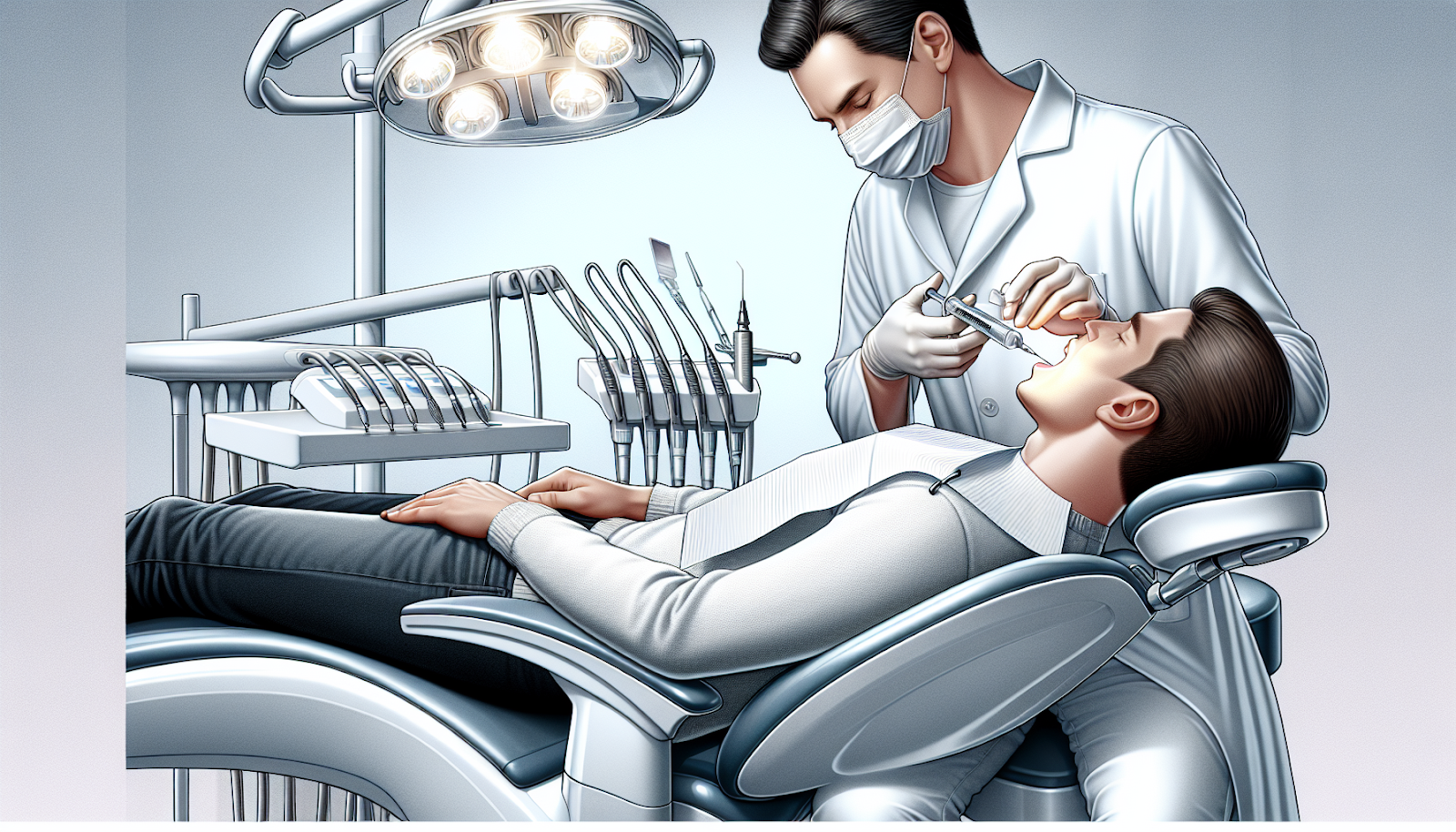
Dental emergencies can happen when you least expect them. Whether it’s a sudden toothache, a broken tooth, or swelling around the gums, knowing what to do if you have a dental emergency in Hackney can save your teeth and prevent further complications. With a range of emergency dental care services available, both NHS and private, you can get immediate treatment from a professional dental team to restore your oral health and ease discomfort
Understanding Dental Emergencies
A dental emergency is any situation that requires urgent attention to prevent long-term damage. Common examples include severe pain, facial swelling, broken or knocked-out teeth, and infections that threaten your overall health. Recognising these early signs is essential to prevent more serious issues.
Signs You Need Immediate Attention
Some signs mean you should seek emergency dental care without delay. If you experience severe pain, noticeable facial swelling, persistent bleeding, or a broken tooth, it’s time to contact a dentist in Hackney. Untreated dental emergencies can quickly worsen, leading to infections or permanent damage.
First Steps During a Dental Emergency
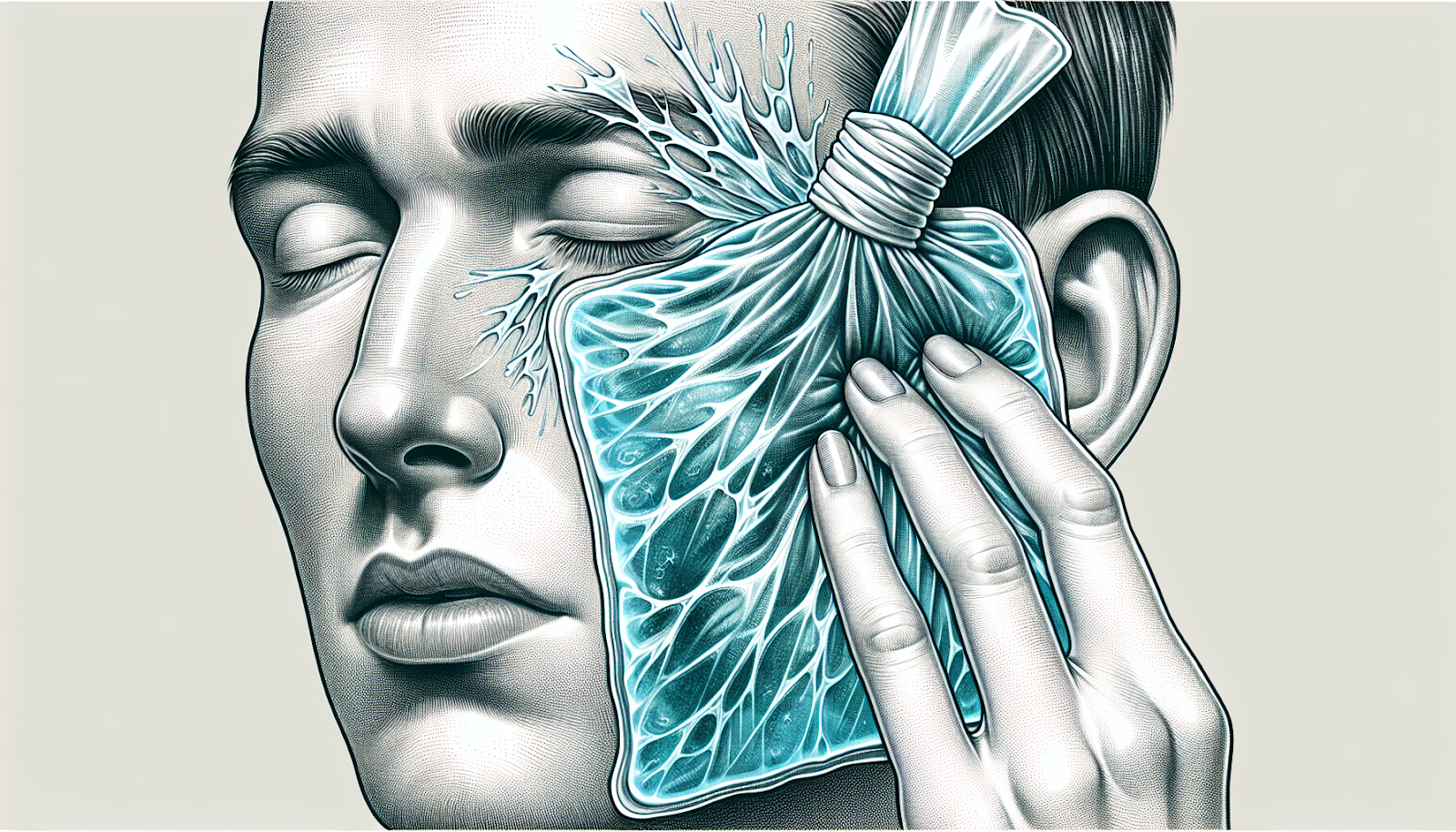
Staying calm is the first step. Rinse your mouth with warm water to clean the area, apply a cold compress to reduce swelling, and take over-the-counter pain relief if necessary. While these measures provide temporary relief, they are not substitutes for emergency dental treatment.
Contacting an Emergency Dentist Hackney
When a dental emergency strikes, contacting a dentist in Hackney is vital. Many practices offer emergency lines and same-day emergency dental appointments. NHS dentists and private clinics provide access to urgent care, ensuring you receive necessary treatment promptly. The dental team will assess your condition and determine whether immediate procedures like fillings, crowns, or root canals are required.
What to Expect During an Emergency Dental Appointment
During an emergency dental appointment, the dentist will examine your mouth, often taking X-rays to evaluate the situation. They will manage pain, control bleeding, and provide immediate treatment to address the issue. Some cases may require referrals for more complex procedures, but the primary goal is to relieve discomfort and protect your dental health.
Handling Specific Dental Emergencies
For a broken tooth, rinse the mouth, save any pieces, and avoid chewing on the affected side. If a tooth is knocked out, handle it by the crown, keep it moist in milk or saliva, and visit the dentist immediately. Severe toothache or gum injuries require urgent assessment to prevent infection or long-term damage.
Preventing Dental Emergencies
Maintaining oral health is the best way to reduce the risk of emergencies. Regular dental check-ups, proper brushing and flossing, and protective measures during sports can all help keep your teeth healthy. Prompt attention to minor issues often prevents them from becoming serious dental emergencies.
Aftercare Following Emergency Dental Treatment
After receiving treatment, follow your dentist’s advice carefully. Take any prescribed antibiotics or pain relief, maintain proper dental hygiene, and attend follow-up appointments. Proper aftercare ensures your mouth and gums heal quickly, reducing the risk of further complications.
Conclusion
Dental emergencies in Hackney can be stressful, but knowing how to respond makes a huge difference. From taking initial steps at home to contacting a reliable emergency dentist Hackney, prompt action helps protect your dental health. Remember, seeking emergency dental care early can prevent more complex procedures and ensure your smile stays pain-free.
FAQs
1. What qualifies as a dental emergency? Any sudden severe pain, swelling, broken or knocked-out teeth, or infections that could worsen without treatment.
2. Can NHS dentists handle emergency care? Yes, many NHS dentists in Hackney provide emergency dental appointments and guidance through dedicated emergency lines.
3. How should I manage pain before seeing the dentist? Rinse your mouth with warm water, use over-the-counter painkillers, and apply a cold compress to reduce swelling.
4. What do I do if a tooth is knocked out? Hold it by the crown, keep it in milk or saliva, and contact your dentist immediately for possible restoration.5. Are children more prone to dental emergencies? Yes, children are at higher risk due to accidents or sports injuries. Prompt assessment and treatment by a dental team is crucial.
At Chrysanth Dental Care, located in the heart of Hackney, we pride ourselves on creating a comfortable, professional, and caring dental experience. But don’t just take our word for it; hear from the Hackney residents themselves. These real testimonials from our Google reviews for Dentist in Hackney paint an authentic picture of what makes our clinic special.
Smiles Transformed, Confidence Restored
Louise shared her experience, calling our service “first class”:
“Brilliant and efficient at reception. I received excellent care from all the dentists and hygienists. The equipment is state-of-the-art, and the building is very clean and bright.”
Her review reflects what many of our patients mention: modern technology, friendly faces, and real results.
Care Beyond Expectations
Ruler of the Canines wrote:
“I’ve seen 14 dentists in my time, from Italy to Harley Street, and David is a great dentist. Efficient, calm, precise, and discrete with needles, truly a Harley Street service in good ole Hackney.”
This kind of feedback shows that exceptional dental care doesn’t have to mean travelling far or paying premium rates.
A Team That Feels Like Family
Teo Savvoulidis summed it up perfectly:
“All staff members are wonderful! I definitely recommend Chrysanth Dental Care!”
Meanwhile, Pedro Huertero, who came to us during an emergency, noted:
“They did everything they could to accommodate me the same day. My first dental experience in London couldn’t have been better.”
Our goal is simple: to make every patient feel seen, supported, and cared for.
Specialists Who Listen
Angie Hu, a long-time patient, explained:
“I’ve been coming here for a few years for both regular dental care and some basic orthodontics. Dr Rachel provided the best and most comfortable fitting experience I’ve ever had!”
Every smile is unique, and so is every treatment plan. That’s why we tailor our approach to your comfort and needs.
Restoring Smiles with Skill and Compassion
Henry described his detailed treatment:
“I broke my molar. Dr Angelica explained everything and rebuilt it perfectly. I was able to use the tooth straight after the anaesthetic wore off; it feels smooth and normal.”
Dental work can feel daunting, but when done with precision and empathy, the results speak for themselves.
Friendly Faces, Professional Care
Artus Barris said it best:
“I can’t recommend David and his team enough. Extremely professional, yet always cheerful and smiling.”
And A Ku, a loyal patient for three years, shared:
“Each visit has been a breeze with minimal discomfort. The dental hygienist is especially good; she doesn’t hurt my teeth or gums.”
Consistency and comfort are at the heart of everything we do.
Why Hackney Residents Choose Chrysanth Dental Care
Across dozens of reviews, certain themes stand out:
Gentle and patient-focused care for even the most anxious visitors.
Advanced technology for precise, comfortable treatments.
Warm and welcoming staff who treat every patient like family.
Clean, modern facilities that reflect our commitment to high standards.
What these stories tell us about Chrysanth Dental Care
From the testimonials above, some consistent themes emerge:
Gentle, considerate care: especially for patients with anxiety or previous bad experiences
Transparency in treatment: patients appreciate clear explanation of what’s going on
Professional team with friendly demeanour: skill plus warmth
Modern, comfortable environment: several mentions of ease, minimal discomfort
Long-term trust: multiple patients mention being with the practice for years
Tips for Hackney residents considering a dentist
If you live in Hackney (or nearby) and are evaluating your options, here are a few things to keep in mind (inspired by what these testimonials highlight):
Check how the practice handles nervous patients. If you’re anxious, ask: can I discuss my fears? Can I have extra time?
Look for patient stories of complex work. If you might need more than a check-up, see how the practice handles bigger procedures.
Ask about the team, not just the lead dentist. The reviews emphasise the team atmosphere; hygienists, nurses, and receptionists all matter.
Read recent reviews. Practices evolve; good ones maintain their standard over time.
Visit the clinic (if possible) and ask questions. Seeing the environment, meeting the staff, and asking how they manage comfort and pain can help.
Ask about follow-up and ongoing care. Some patients mention that staff called after procedures to check how they’re doing. That kind of aftercare matters.
Final thoughts
The testimonials from Hackney residents for Chrysanth Dental Care offer a reassuring picture: one of competence combined with care, a modern setting combined with a personal touch, and a willingness to support patients over the long term.
If you’re looking for a dentist in the Hackney/East London area and these themes matter to you (gentle care, friendly team, comfort, trust), then the practice certainly seems worth considering.
At Chrysanth Dental, we understand that maintaining good oral health is crucial for overall well-being. Today, we’re diving deep into the world of dental hygienists and their vital role in keeping your smile healthy. As experts in healthcare communication, we’ll guide you through everything you need to know about these essential dental professionals.
The Essential Role of Dental Hygienists
Dental hygienists play a fundamental role in the dental team, working alongside dentists to provide comprehensive oral healthcare. We’ve observed that many people aren’t fully aware of the extensive range of services these professionals provide beyond routine cleanings.
A dental hygienist’s role encompasses preventive care, patient education, and the detection of early signs of oral health issues. They are highly trained professionals who focus on preventing tooth decay and gum disease before they become serious problems. A dentist Hackney often works closely with hygienists to create tailored prevention plans for long-term oral health.
Core Responsibilities of Dental Hygienists
When you visit a dental practice, your dental hygienist performs several crucial tasks:
Professional Cleaning and Scaling
One of the primary responsibilities we see dental hygienists undertake is the removal of plaque and tartar from teeth. This process, known as scaling, requires specialised skills and instruments to effectively clean areas that regular brushing and flossing can’t reach.
Preventive Treatments
Dental hygienists work diligently to prevent oral health issues through various preventive measures. This includes applying dental sealants to protect teeth from decay and administering fluoride treatments to strengthen enamel.
Examination and Assessment
During your visit, dental hygienists perform a basic periodontal examination to assess your gum health. They’re trained to detect early signs of periodontal disease, oral cancer, and other oral health issues. This early detection is crucial for maintaining long-term oral health.
Patient Education and Oral Health Guidance
We cannot stress enough the importance of patient education in maintaining good oral hygiene. Dental hygienists dedicate significant time to educating patients about:
– Proper brushing and flossing techniques
– Effective oral hygiene practices
– Dietary advice for preventing tooth decay
– The impact of lifestyle choices on oral health
– Maintaining good oral health between visits
The Connection Between Oral and Overall Health
Our research and collaboration with dental professionals have taught us that poor oral health can significantly impact overall health. Dental hygienists help patients understand the connection between oral health and systemic conditions like diabetes and heart disease.
Advanced Procedures and Treatments
Modern dental hygienists are trained in various advanced procedures:
Dental Therapy
In some cases, dental hygienists with additional qualifications can perform dental therapy procedures. This expanded role allows them to provide more comprehensive care to patients.
Periodontal Treatment
For patients with gum disease, dental hygienists provide specialised periodontal treatment to help manage and prevent the progression of the condition.
The Importance of Regular Visits
We always emphasise that maintaining healthy teeth requires regular professional cleanings. During these visits, your dental hygienist can:
– Perform thorough teeth cleaning
– Monitor changes in your oral health
– Adjust your treatment plan as needed
– Address any concerns about your oral hygiene routine
Technology in Modern Dental Hygiene
Today’s dental hygienists work with advanced technology to provide better care. This includes:
– Digital imaging for detailed examination
– Advanced cleaning instruments
– Educational software for patient instruction
– Diagnostic tools for early detection of oral health issues
Preparing for Your Dental Hygiene Visit
To make the most of your appointment, we recommend:
1. Maintaining your regular oral hygiene practices
2. Being prepared to discuss any changes in your oral health
3. Making a list of questions or concerns
4. Following any pre-appointment instructions
Special Considerations and Patient Groups
Dental hygienists adapt their approach for different patient groups:
Children and Young Adults
Focus on prevention through dental sealants and education about proper oral hygiene practices.
Adults with Periodontal Disease
Specialised treatment plans and more frequent cleanings may be necessary.
Elderly Patients
Additional attention to specific age-related oral health issues and medication impacts.
The Future of Dental Hygiene
We’re seeing exciting developments in the field of dental hygiene, including:
– New preventive care techniques
– Advanced diagnostic tools
– Expanded roles in oral healthcare
– Integration of digital technology
Maintaining Your Healthy Smile
At Chrysanth Dental, we believe that understanding what dental hygienists do is crucial for appreciating their role in maintaining good oral health. These dental professionals are essential partners in your journey to a healthy smile.
Remember, preventing tooth decay and maintaining good oral hygiene is always easier than treating problems after they develop. Regular visits to your dental hygienist, combined with proper oral hygiene practices at home, are your best defence against oral health issues.
We encourage you to schedule regular appointments with your dental hygienist and maintain open communication about your oral health concerns. By working together with these dedicated professionals, you can ensure the long-term health of your teeth and gums.
For more information about dental hygiene services or to learn more about maintaining good oral health, feel free to contact our expert team. We’re here to help you achieve and maintain the healthy smile you deserve.
Keep smiling, and remember that your oral health is an investment in your overall well-being!
—
Note: This blog post is brought to you by Chrysanth Dental, your trusted source for healthcare information and guidance. While we strive to provide accurate and up-to-date information, please consult with dental professionals for specific advice about your oral health needs.
Our Location: 493 Cambridge Heath Road London E2 9BU
Frequently Asked Questions About Dental Hygienists
Q1: How often should I visit a dental hygienist?
A: We recommend visiting a dental hygienist every six months for routine cleanings and check-ups. However, if you have gum disease or other oral health issues, your dental team might recommend more frequent visits, possibly every 3-4 months. Regular visits help prevent tooth decay and allow for early detection of potential problems.
Q2: What’s the difference between a dentist and a dental hygienist?
A: While both are essential members of the dental team, they have distinct roles. Dental hygienists focus primarily on preventive care, cleaning teeth, and patient education about oral hygiene practices. Dentists diagnose oral diseases, perform complex procedures, create treatment plans, and carry out restorative work like fillings and crowns. They work together to maintain your overall oral health.
Q3: Does professional teeth cleaning by a dental hygienist hurt?
A: Professional cleaning shouldn’t be painful, though you might experience some sensitivity during the procedure, especially if you have gum inflammation or it’s been a while since your last cleaning. Our dental hygienists are trained to work gently and can adjust their technique based on your comfort level. They can also provide numbing agents if needed for more sensitive areas.
Q4: What should I do between dental hygiene appointments to maintain good oral health?
A: We recommend maintaining good oral hygiene through:
– Brushing twice daily with fluoride toothpaste
– Flossing at least once daily
– Using an antiseptic mouthwash
– Following a balanced diet low in sugary foods and drinks
– Drinking plenty of water
– Avoiding tobacco products
– Addressing any oral health concerns promptly
Q5: Are dental hygienist services covered by insurance?
A: Most dental insurance plans cover routine preventive care, including professional cleanings by dental hygienists. However, coverage can vary depending on your specific plan. Some plans cover two routine cleanings per year, while others might cover additional visits if you have specific oral health conditions. We recommend checking with your insurance provider about your specific coverage details.
At Chrysanth Dental, we understand how uncomfortable and concerning gum boil treatments can be. As experienced dental professionals, we regularly treat patients dealing with these painful oral health issues, also known as dental abscesses or gum abscesses. While professional treatment is ultimately necessary, there are several effective home remedies that can provide temporary relief and support healing.
Understanding Gum Boils: What You Need to Know
Before we dive into treatments, it’s crucial to understand what gum boils are. A gum boil is typically a sign of infection, often resulting from poor dental hygiene, tooth decay, or periodontal disease. These painful swellings in the gum tissue can indicate serious dental problems that, if not treated properly, could lead to complications, including tooth loss and receding gums, or even situations where tartar starts breaking off teeth.
Why Home Treatments Matter
While we always recommend seeing a dentist regularly for proper clinical diagnosis and treatment, especially if you suspect a tooth infection that might require root canal therapy, these home remedies can help manage symptoms until you can get professional care. These treatments have been proven effective through both clinical experience and research. While at-home remedies may help with gum boils, insights shared by a dentist Hackney offer a helpful perspective on when further care might be needed.
10 Home Remedies for Gum Boils
1. Saltwater Rinse: The Time-Tested Solution
One of the most effective home remedies for gum boils is a warm saltwater rinse. Mix one teaspoon of salt in a cup of warm water to create a salt solution. This simple mouth rinse helps reduce inflammation and remove food particles that could worsen the infection.
How to use:
– Dissolve one teaspoon of table salt in lukewarm water
– Rinse your mouth for 30-60 seconds
– Repeat 3-4 times daily
– Continue until symptoms improve
2. Essential Oils Treatment
Essential oils, particularly tea tree oil, clove oil, and peppermint oil, have powerful antibacterial properties that can help combat bad bacteria causing the infection.
Recommended application:
– Dilute 2-3 drops of essential oil in a tablespoon of coconut oil
– Apply carefully to the affected area
– Use twice a day after brushing
– Note: Always perform a patch test first to ensure no allergic reactions
3. Turmeric Gel Application
Turmeric’s anti-inflammatory properties make it an excellent natural remedy. Create a turmeric paste by mixing:
– 1/4 teaspoon turmeric powder
– A few drops of warm water
– Apply directly to the affected gum tissue
– Leave for 10 minutes before rinsing
4. Hydrogen Peroxide Solution
Hydrogen peroxide can help reduce plaque and fight infection. We recommend:
– Mix equal parts 3% hydrogen peroxide and water
– Use as a mouth rinse
– Do not swallow
– Rinse thoroughly with plain water afterwards
5. Baking Soda Paste
Baking soda helps neutralise acids and reduce inflammation:
– Mix baking soda with a small amount of water to form a paste
– Apply directly to the gum boil
– Leave for 5 minutes before rinsing
– Repeat twice daily
6. Cold Compress Application
To ease swelling and relieve pain:
– Apply a cold compress to the outside of your cheek
– Hold for 15 minutes
– Repeat every few hours as needed
7. Professional-Grade Mouth Rinses
Look for mouth rinses with the American Dental Association seal that contain:
– Fluoride for strengthening teeth
– Antibacterial ingredients
– Anti-inflammatory compounds
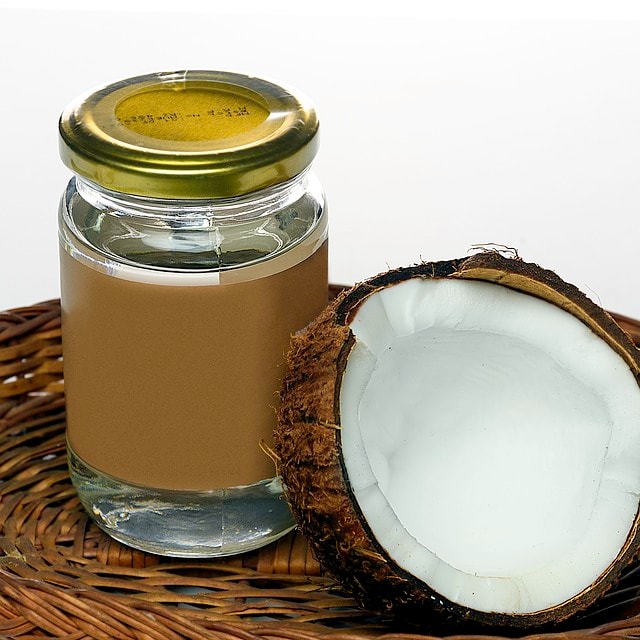
8. Oil Pulling with Coconut Oil
This traditional remedy can help in removing plaque and reducing bad breath:
– Swish 1 tablespoon of coconut oil in your mouth for 15-20 minutes
– Spit out and rinse thoroughly
– Perform daily before brushing
9. Deep Cleaning at Home
While not a replacement for professional deep cleaning, you can:
– Use fluoride toothpaste
– Practice careful flossing daily
– Pay extra attention to the periodontal pocket areas
– Use soft-bristled brushes for gentle cleaning
10. Herbal Tea Compresses
Certain herbal teas can help reduce inflammation:
– Prepare chamomile or sage tea
– Allow to cool
– Use as a mouth rinse or compress
– Apply several times daily
Prevention and Long-term Care
To prevent gum boils and maintain healthy gums, we recommend:
1. Regular Dental Hygiene:
– Brush teeth twice a day with fluoride toothpaste
While these home remedies can provide relief, certain symptoms require immediate professional attention:
– Severe dental pain
– Persistent foul breath
– Fever
– Spreading infection
– Difficulty swallowing
– Tooth abscesses
The Role of Professional Treatments
At Chrysanth Dental, we offer various professional treatments for gum boils, including:
– Root canal treatment
– Dental implants when necessary
– Periodontal therapy
– Professional deep cleaning
– Antibiotic treatments
Research and Evidence
Other research has shown that early intervention is crucial in treating gum disease and preventing complications. Studies have proven effective results when combining home remedies with professional dental care.
Book An Appointment With Chrysanth Dental
While these home treatments can provide temporary relief from gum boils and support healing, they should not replace professional dental care. If you’re experiencing persistent symptoms, we encourage you to book an appointment with us at Chrysanth Dental. Our experienced team can provide the necessary clinical diagnosis and treatment to ensure your oral health issues are addressed properly.
Remember, maintaining good oral hygiene and addressing dental problems promptly is key to preventing gum boils and other periodontal issues. Regular check-ups, proper dental care, and quick action at the first sign of problems will help ensure your continued oral health.
Disclaimer: This article is for informational purposes only and should not be considered medical advice. Always consult with a dental professional for proper diagnosis and treatment of dental conditions.
Frequently Asked Questions About Gum Boils
Q1: How long does it take for a gum boil to heal with home treatment?
Most gum boils begin showing improvement within 1-2 weeks with proper home care and professional treatment. However, without addressing the underlying cause through professional dental care, the condition may recur or worsen. We recommend seeking professional treatment while using home remedies for temporary relief.
Q2: Can gum boils go away on their own?
While gum boils may temporarily subside, they rarely resolve completely without professional treatment. The underlying infection causing the abscess typically requires dental intervention, possibly including root canal therapy or deep cleaning. Attempting to treat gum boils solely with home remedies risks allowing the infection to spread and cause more serious complications.
Q4: What are the signs that a gum boil requires immediate professional attention?
Seek immediate dental care if you experience:
– Severe dental pain that persists or worsens
– Spreading swelling or facial inflammation
– Fever or general illness
– Difficulty swallowing or breathing
– Foul taste or persistent bad breath
– Bleeding or pus discharge
Q5: Are natural remedies like essential oils and turmeric really effective for treating gum boils?
While natural remedies can help manage symptoms and provide temporary relief, they should be considered complementary to professional dental treatment rather than a replacement. Essential oils and turmeric have proven antibacterial and anti-inflammatory properties, but they cannot address the root cause of dental abscesses, which often require professional intervention through procedures like root canal therapy or periodontal treatment.
At Chrysanth Dental, we understand that having a tooth extracted can feel daunting. Whether you’re having wisdom teeth removed or require a tooth extraction for other reasons, proper aftercare is crucial for a speedy recovery and to prevent complications like dry sockets. As experienced dental professionals, we’ve compiled this comprehensive guide to help you heal properly after your procedure.
Understanding the Basics of Post-Extraction Care
When a tooth is extracted, a blood clot forms at the extraction site. This clot is essential for proper healing and protecting the underlying bone and nerve endings. Many post-operative instructions focus on protecting this clot to prevent dry sockets and ensure optimal healing. Post-extraction care can affect healing. A dentist Hackney might highlight a few things not to overlook.
Why Proper Aftercare Matters
Post-extraction care significantly influences how quickly and effectively you heal. Following your dentist’s instructions can help:
– Promote proper clot formation
– Reduce swelling and discomfort
– Prevent infection
– Minimise the risk of complications
– Support optimal oral health
1. Avoid Hot Foods and Beverages
After your tooth extraction, the wound site needs time to heal. Hot foods and beverages can disrupt the healing process by:
– Interfering with blood clot formation
– Increasing the risk of bleeding
– Causing unnecessary discomfort
Instead, we recommend consuming cool or lukewarm soft foods like mashed potatoes for the first 24-48 hours after the procedure.
2. Say No to Strenuous Activities
Exercise and physical exertion may seem unrelated to oral health, but they can significantly impact your recovery. Strenuous activities can:
– Lead to increased bleeding
– Dislodge the protective blood clot
– Cause delayed healing
– Result in complications
We advise taking adequate rest for at least 24-48 hours post-extraction.
3. Avoid Smoking and Tobacco Products
Smoking after tooth extraction may lead to serious complications. The suction created when smoking can dislodge the blood clot, leading to:
– Dry socket development
– Delayed healing
– Increased risk of infection
– Bone loss
– Poor wound healing
If you smoke, we strongly recommend avoiding it for at least 72 hours after the procedure.
4. Skip Alcoholic Beverages
Alcohol can interfere with healing and may interact with prescribed medications. Avoid drinking alcohol as it can:
– Thin your blood
– Increase bleeding risk
– Delay the healing process
– Reduce the effectiveness of medications
– Lead to complications
5. Don’t Use Straws
The suction created when using a straw can dislodge the blood clot at the extraction site. This small risk can lead to significant complications, including:
– Dry socket
– Delayed healing
– Increased pain
– Need for additional treatment
6. Avoid Hard Foods
Your mouth will feel strange after the extraction, and it’s essential to avoid hard foods that could:
– Damage the wound site
– Cause pain and discomfort
– Interfere with healing
– Lead to infection
Stick to soft foods until your dentist gives you the all-clear to resume your normal diet.
7. Don’t Skip Your Medications
If we’ve prescribed medications, taking them as directed is crucial. Skipping doses can:
– Increase pain
– Slow the healing process
– Lead to infection
– Result in complications
This includes any antibiotics or pain relief medications prescribed after your procedure.
8. Avoid Touching the Extraction Site
While your tongue might be tempted to explore the extraction site, it’s important to resist. Touching the area can:
While some discomfort is normal after tooth extraction, certain symptoms warrant immediate attention. Contact our office if you experience:
– Severe pain that doesn’t improve with medication
– Heavy bleeding continuing beyond 24 hours
– Signs of infection (fever, severe swelling, pus)
– Difficulty breathing or swallowing
– Persistent numbness
Get In Touch To Find Out More
At Chrysanth Dental, your comfort and successful recovery are our priorities. Following these guidelines will help ensure proper healing after your tooth extraction. Remember, while these instructions are comprehensive, they’re general guidelines. Your specific case may require additional or modified instructions based on the complexity of your extraction and individual health factors.
If you have any concerns during your recovery or need to schedule an appointment, don’t hesitate to contact our experienced team. We’re here to support you throughout your healing journey and ensure you achieve the best possible outcome from your procedure.
For more information about our dental services or to book an appointment, visit our website or call our office. Your oral health is our commitment, and we’re dedicated to providing exceptional care at every step of your treatment journey.
Frequently Asked Questions About Tooth Extraction
How long does it take to heal after a tooth extraction?
Typically, the initial healing takes about 1-2 weeks. However, the extraction site continues to remodel and heal for several months after the procedure. The healing process varies depending on factors like the complexity of the extraction, your overall health, and how well you follow post-operative instructions.
What are the signs of a dry socket?
Dry socket symptoms typically include:
Severe pain 2-3 days after extraction
Visible bone in the socket
Bad taste or smell from the extraction site
Pain radiating to your ear, eye, temple, or neck. If you experience these symptoms, contact us immediately for treatment.
Can I brush my teeth after a tooth extraction?
Yes, but carefully. Wait 24 hours before brushing. When you resume, avoid the extraction site initially and brush gently around it. We recommend using a soft-bristled toothbrush and being extra careful near the wound site to prevent disrupting the blood clot.
What should I eat after tooth extraction?
Stick to soft foods like:
Mashed potatoes
Yoghurt
Smoothies (without straws)
Soup (lukewarm)
Well-cooked pasta Gradually return to your normal diet as healing progresses and discomfort subsides.
When can I resume normal activities after tooth extraction?
Most patients can return to light activities within 24-48 hours. However, avoid strenuous exercise for at least 3-5 days. Listen to your body and follow our post-operative instructions. If you’re unsure about specific activities, please consult our team.
At Chrysanth Dental in London, we often encounter patients asking how to clean stained teeth. As dental professionals, we understand the impact that unsightly tooth stains can have on your confidence and overall oral health. In this comprehensive guide, we’ll explore the causes of tooth stains, various methods to remove stains from teeth, and preventive measures to maintain a brighter smile. A dentist Hackney may suggest deeper stain removal options if brushing and home care aren’t enough.
Understanding Tooth Stains and Discoloration
Before delving into solutions, it’s crucial to understand what causes tooth discolouration. There are two main types of teeth stains: extrinsic and intrinsic stains.
Extrinsic teeth stains affect the outer layer of the tooth, known as the tooth enamel. These surface stains are typically caused by:
1. Consuming staining foods and beverages (e.g., coffee, tea, red wine)
2. Smoking or using tobacco products (nicotine stains)
3. Poor oral hygiene
Intrinsic stains occur within the tooth structure and are often more challenging to remove. These can be caused by:
1. Certain medications
2. Excessive fluoride exposure during enamel formation
3. Trauma to the tooth
4. Age-related stains as enamel thins over time
Now that we understand the types of stains let’s explore effective methods for removing tooth stains and whitening teeth.
Home Remedies for Removing Stains from Teeth
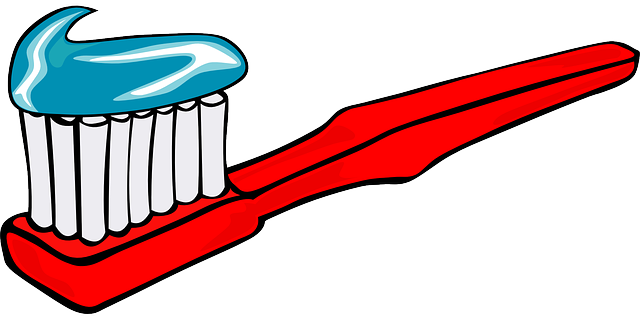
Whitening Toothpaste
One of the easiest ways to combat tooth stains is by using whitening toothpaste. These toothpaste brands contain mild abrasives and special chemical agents that can help remove surface stains from teeth. While they may not be as effective on deeper stains, regular use can help maintain a brighter smile.
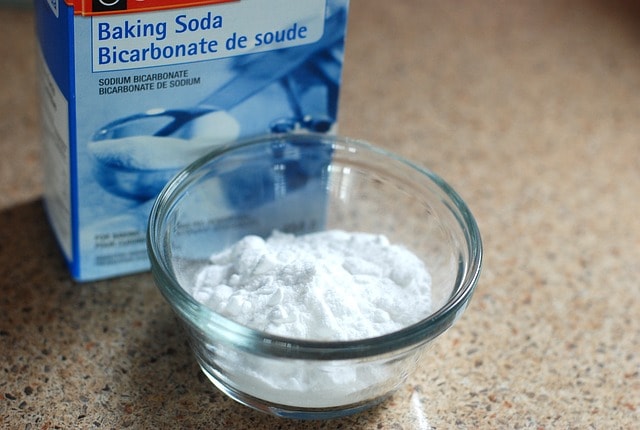
Baking Soda
Baking soda is a natural teeth whitener that can help remove stains from teeth. Its mildly abrasive properties can gently scrub away surface stains without damaging your tooth enamel. Mix a small amount of baking soda with water to create a paste, and brush your teeth with it once or twice a week.
Oil Pulling
This ancient technique involves swishing oil (typically coconut oil) in your mouth for 15-20 minutes. While scientific evidence is limited, some people claim it helps remove stains and improve oral hygiene.
5. Fruit Peel
Rubbing the inside of a banana peel or orange peel on your teeth may help remove surface stains. The natural enzymes and mild acids in these fruits can have a gentle whitening effect.
Over-the-Counter Teeth Whitening Products
1. Tooth Whitening Strips
Whitening strips are thin, flexible plastic strips coated with a peroxide-based gel, often containing hydrogen peroxide or carbamide peroxide. They’re designed to conform to the shape of your teeth and are typically worn for 30 minutes to an hour each day for a specified period.
2. Whitening Gels
These peroxide-based gels are applied directly to the tooth surface with a small brush. Instructions vary by product but typically involve applying the gel once or twice a day for two weeks.
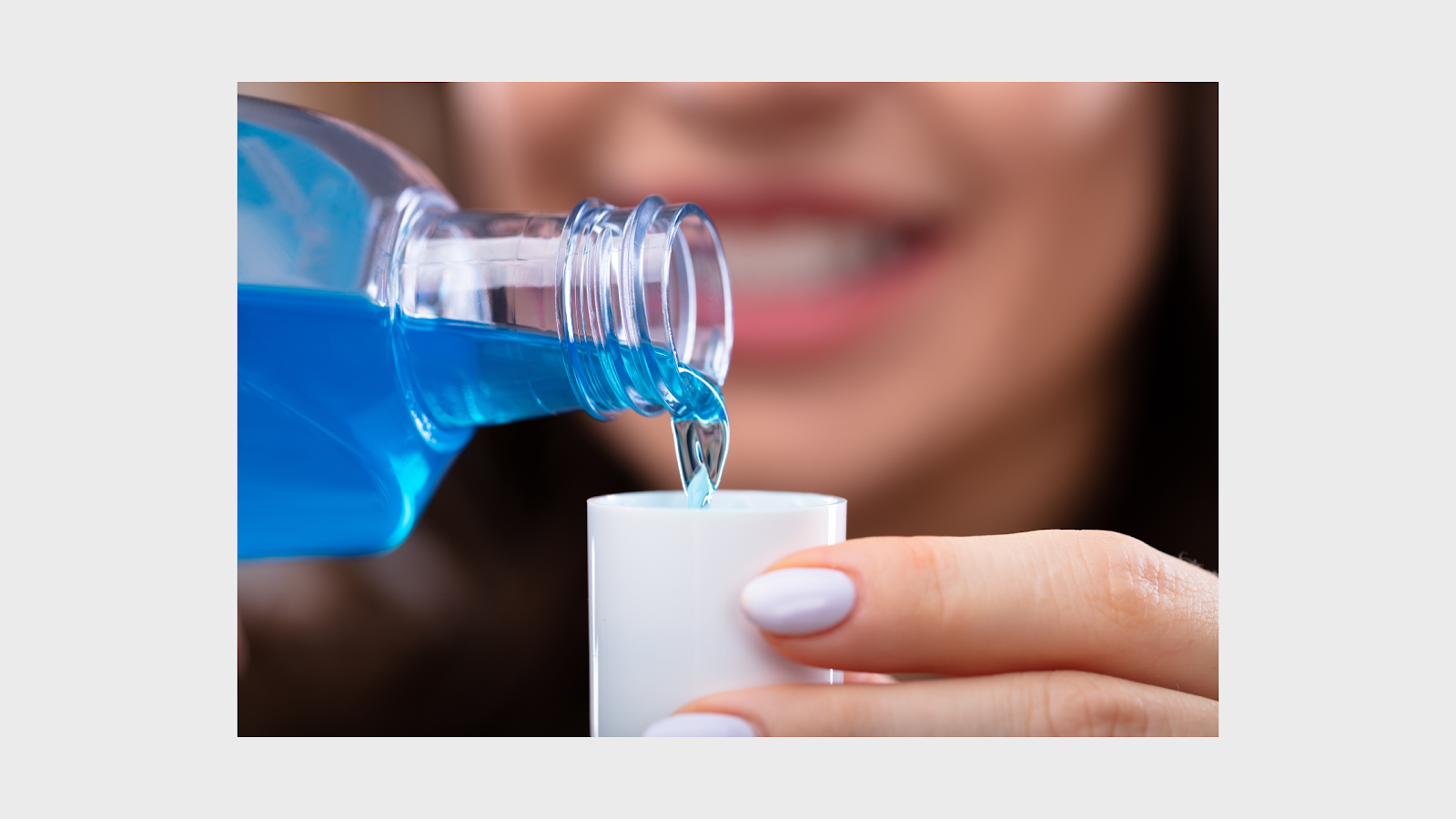
3. Whitening Rinses
These mouthwashes contain hydrogen peroxide and can help reduce dental plaque, gum disease, and tooth stains. However, because they’re only in contact with teeth for a short time, they may be less effective than other methods.
Professional Teeth Whitening Options
For more stubborn stains or faster and safest results, professional teeth whitening services offered at Chrysanth Dental are highly effective.
1. In-Office Bleaching
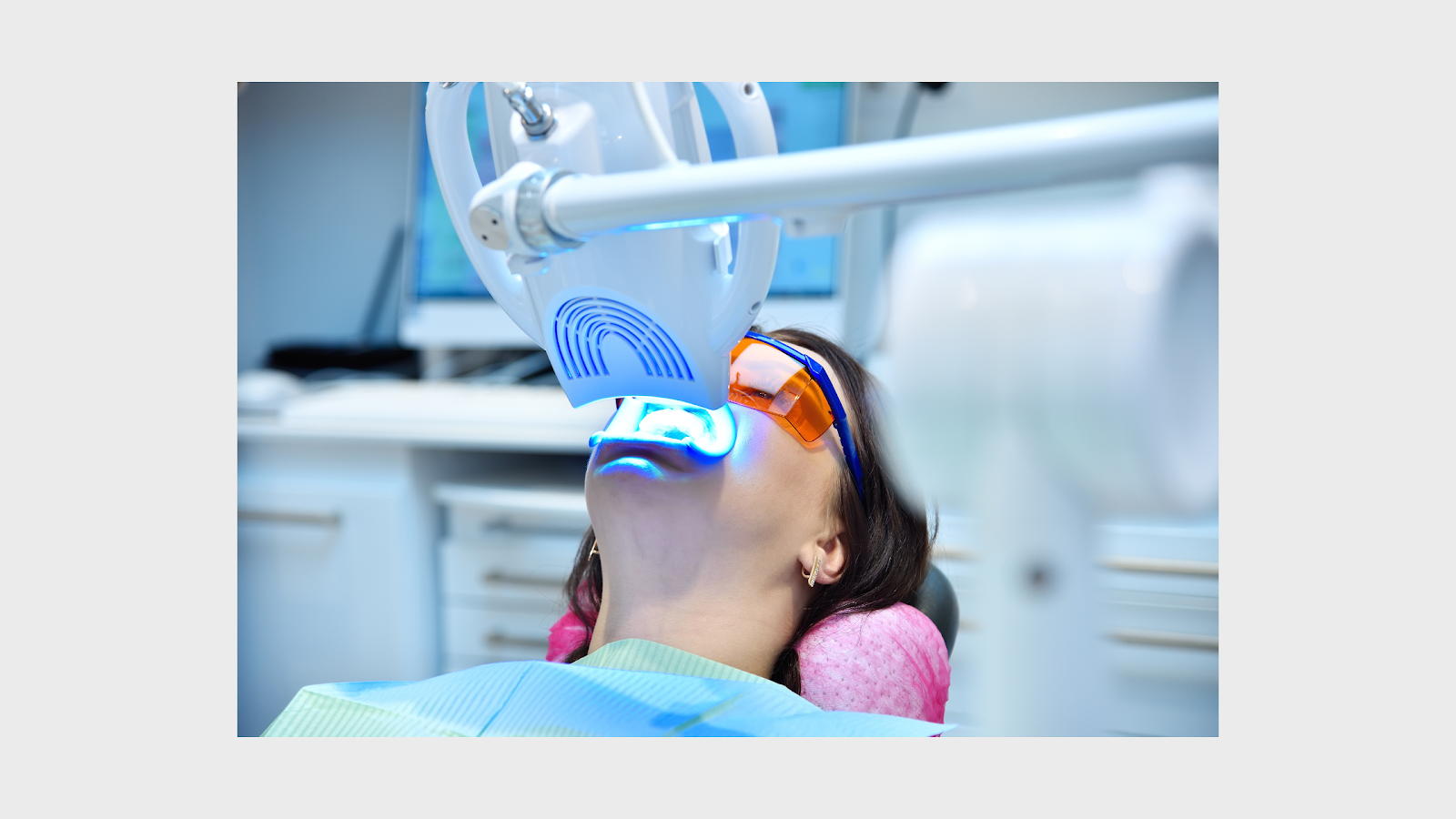
This professional whitening procedure involves applying a high-concentration peroxide gel to your teeth after protecting your gums with a rubber dam or protective gel. We may also use a special light or laser whitening technique to enhance the whitening effect. This treatment can significantly whiten teeth in a single one to two-hour session.
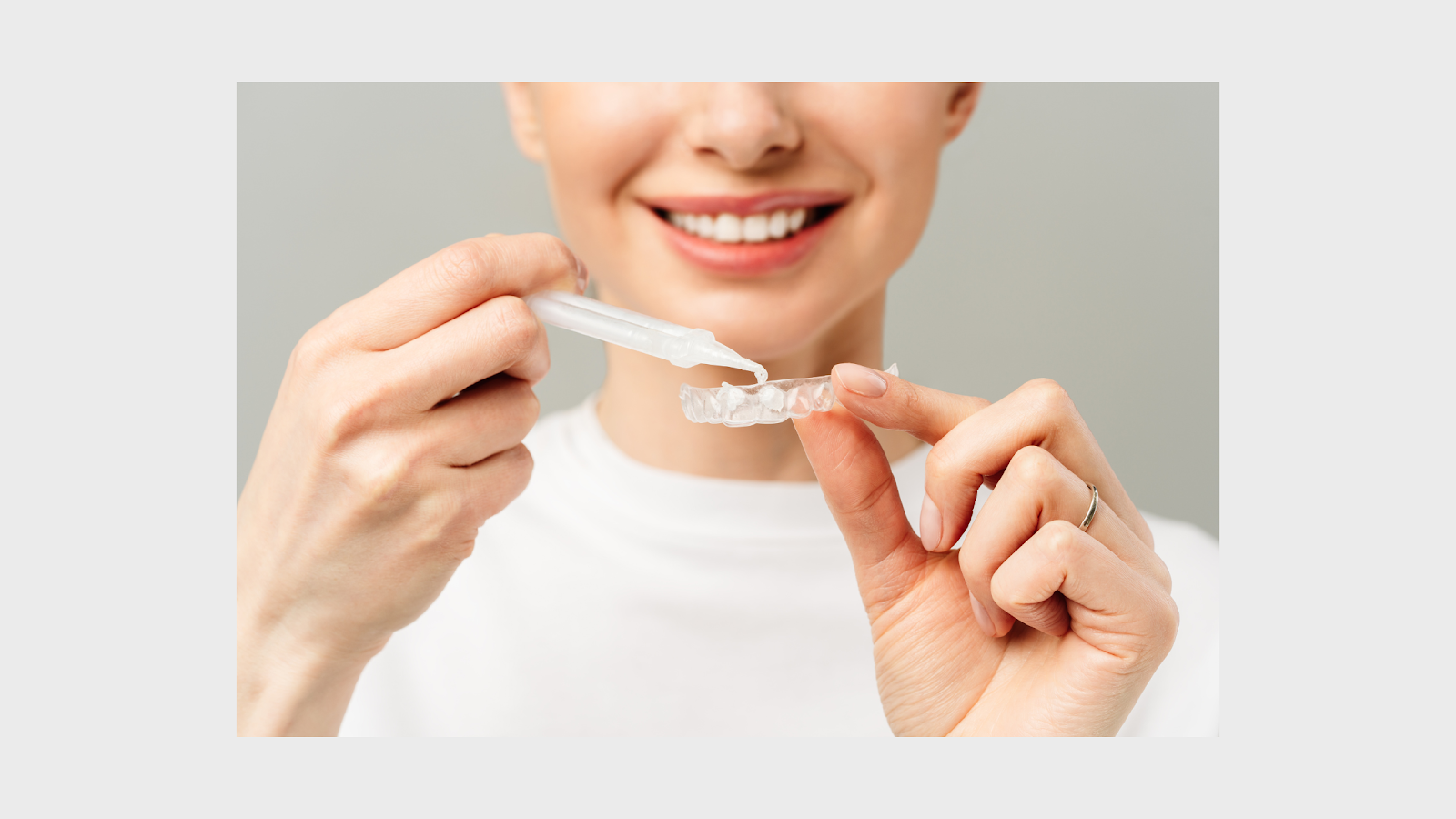
2. Custom Trays for At-Home Use
We can create custom-fitted trays for you to use at home with a professional-strength whitening gel. This method allows for more controlled application and can be very effective over a period of a few weeks.
3. Combination Treatments
Some patients benefit from a combination of in-office and at-home treatments for optimal results.
Preventing Future Stains
While knowing how to clean stained teeth is important, prevention is always better than cure. Here are some tips to help prevent future staining:
1.Maintain good oral hygiene: Brush regularly (at least twice a day) and floss daily to remove plaque and prevent stains from forming.
2.Use a straw: When drinking beverages that can stain teeth, use a straw to minimise contact with your teeth.
3. Rinse your mouth: After consuming staining foods or drinks, rinse your mouth with water to help wash away potential staining agents.
4. Quit smoking: Tobacco is a major cause of tooth staining. Quitting can significantly improve the appearance of your teeth.
5. Regulardental check-ups: Visit us at Chrysanth Dental for professional cleaning and check-ups to maintain your oral health and catch any potential issues early.
Understanding Different Types of Teeth Stains
To effectively remove stains from teeth, it’s crucial to understand the different types of stains you might encounter:
1.Yellow Teeth: Often a result of thinning enamel as we age, revealing the naturally yellowish dentin underneath.
2. Brown Stains: Usually caused by consuming dark beverages like coffee, tea, or red wine or by using tobacco products.
3. Black Stains: Can be caused by exposure to high amounts of iron or manganese or by certain types of bacteria.
4. White Spots: Often a sign of dental fluorosis or early tooth decay.
Each type of stain may require a different approach for effective removal.
The Role of Diet in Teeth Staining
Your diet plays a significant role in the colour of your teeth. Some of the worst offenders for staining teeth include:
1. Coffee and Tea
2. Red Wine
3. Dark Sodas
4. Berries
5. Tomato-based Sauces
While we’re not suggesting you completely eliminate these staining foods from your diet, being aware of their staining potential can help you take preventive measures, such as rinsing your mouth after consuming them.
The Importance of Tooth Enamel
When discussing how to clean stained teeth, it’s crucial to understand the role of tooth enamel. Enamel is the hard, protective outer layer of your teeth. It’s what gives teeth their white appearance. However, enamel can be damaged by acidic foods and drinks, excessive brushing, or grinding your teeth.
As enamel thins, it becomes more translucent, allowing the yellowish dentin underneath to show through. This is why maintaining the health of your enamel is crucial not just for preventing cavities but also for keeping your teeth white.
Potential Risks of Teeth Whitening
While teeth whitening is generally safe when done correctly, there are some potential risks to be aware of:
1. Tooth Sensitivity: Some people experience temporary increased tooth sensitivity during or after whitening treatments.
2. Gum Irritation: Whitening products can sometimes irritate the gums, especially if they’re not applied correctly.
3. Uneven Results: If you have dental work such as crowns or veneers, these won’t whiten along with your natural teeth, potentially leading to uneven colouration.
4. Overuse: Overusing whitening products can damage your enamel and lead to increased sensitivity or even changes in tooth texture.
At Chrysanth Dental, we always assess your oral health before recommending any whitening treatments to ensure they’re safe and appropriate for you.
Get a Brighter Smile With Chrysanth Dental
Dealing with stained teeth can be frustrating, but there are numerous effective solutions available, from simple home remedies to professional whitening services. At Chrysanth Dental, we’re committed to helping our patients achieve and maintain bright, healthy smiles.
Remember, while whiter teeth are desirable, it’s even more important to maintain good oral hygiene and overall dental health. Regular brushing, flossing, and dental check-ups are crucial for preventing not just stains but also more serious issues like tooth decay and gum disease.
If you’re concerned about tooth stains or interested in exploring professional whitening options, we invite you to book an appointment with us. Our experienced team can assess your individual needs and recommend the most suitable treatment to help you achieve the bright, confident smile you desire. Whether you need help removing extrinsic stains, dealing with intrinsic stains, or are interested in our professional whitening services, we’re here to help you get rid of unsightly teeth stains and achieve a brighter smile.
FAQs
Q: How long do professional teeth whitening results last?
Professional teeth whitening results typically last 6 months to 2 years, depending on oral hygiene, diet, and lifestyle. To maintain results longer, practice good oral hygiene, limit staining foods and drinks, and consider periodic touch-ups as recommended by your dentist.
Q: Is teeth whitening safe for sensitive teeth?
Yes, teeth whitening can be safe for sensitive teeth when done properly. At Chrysanth Dental, we assess your sensitivity levels and tailor the treatment accordingly. We may use lower concentrations of whitening agents, recommend desensitising toothpaste, or suggest gradual at-home treatments. Always consult with a dentist before whitening sensitive teeth.
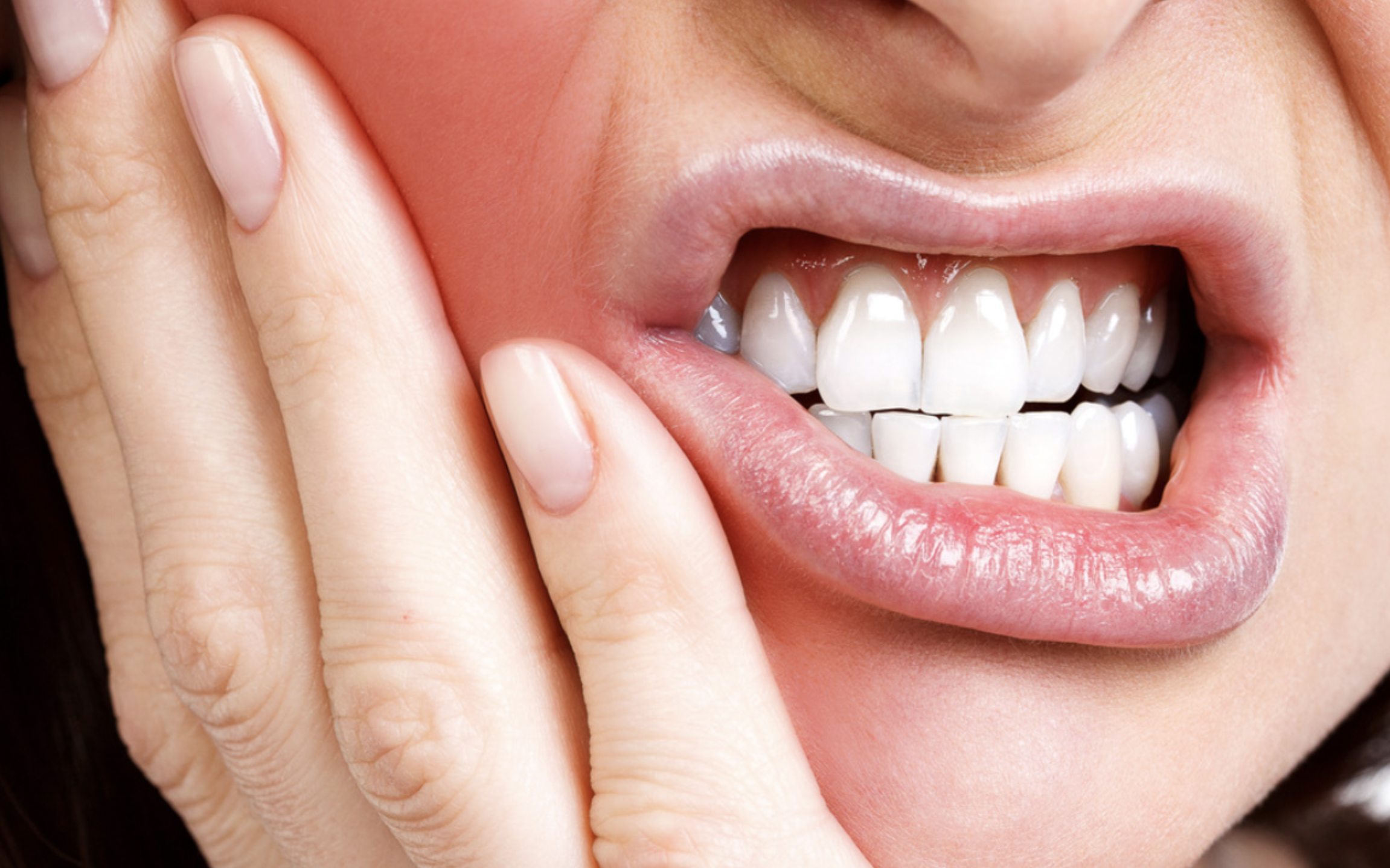
Unbearable tooth pain can disrupt your life. If you’re wondering, ‘What can I do if tooth pain is unbearable?’, this article provides instant relief tips and advice on seeking professional help. We’ll guide you through immediate measures and what to expect at an emergency Dentist Hackney.
Key Takeaways
Identifying the source of tooth pain, such as tooth decay, gum disease, or dental abscesses, is essential for proper treatment and prevention of worsening pain.
Immediate relief measures for severe tooth pain include rinsing with warm salt water, applying a cold compress, and taking over-the-counter pain relievers, though these are temporary solutions requiring follow-up with a dentist.
Recognising symptoms that require emergency dental care, such as sudden severe pain, swelling or abscess, and broken or knocked-out teeth, is crucial for preventing complications and ensuring timely treatment.
Identifying the Source of Unbearable Tooth Pain
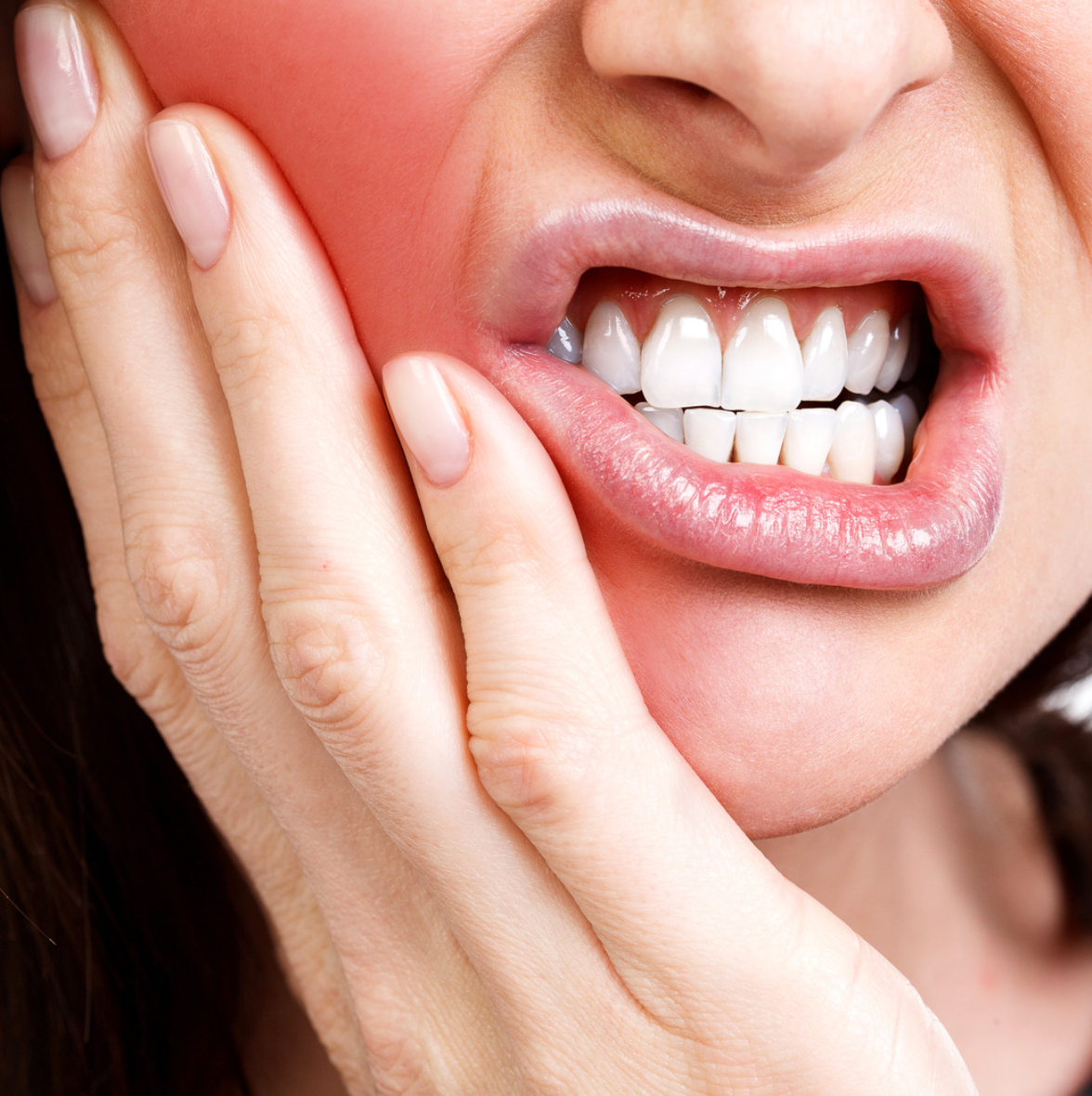
Identifying the source of unbearable tooth pain is the first step towards effective treatment. Tooth pain can stem from a variety of causes, each requiring a different approach for relief. Common culprits include tooth decay, gum disease, and dental abscesses, each bringing its unique form of discomfort.
Understanding the underlying cause of your tooth pain can help you and your dentist develop a targeted treatment plan. An accurate diagnosis is crucial, as it allows for appropriate and timely dental treatment, preventing the pain from worsening. Let’s delve into the specific causes of severe tooth pain: tooth decay, gum disease, and dental abscesses.
Tooth Decay and Cavities
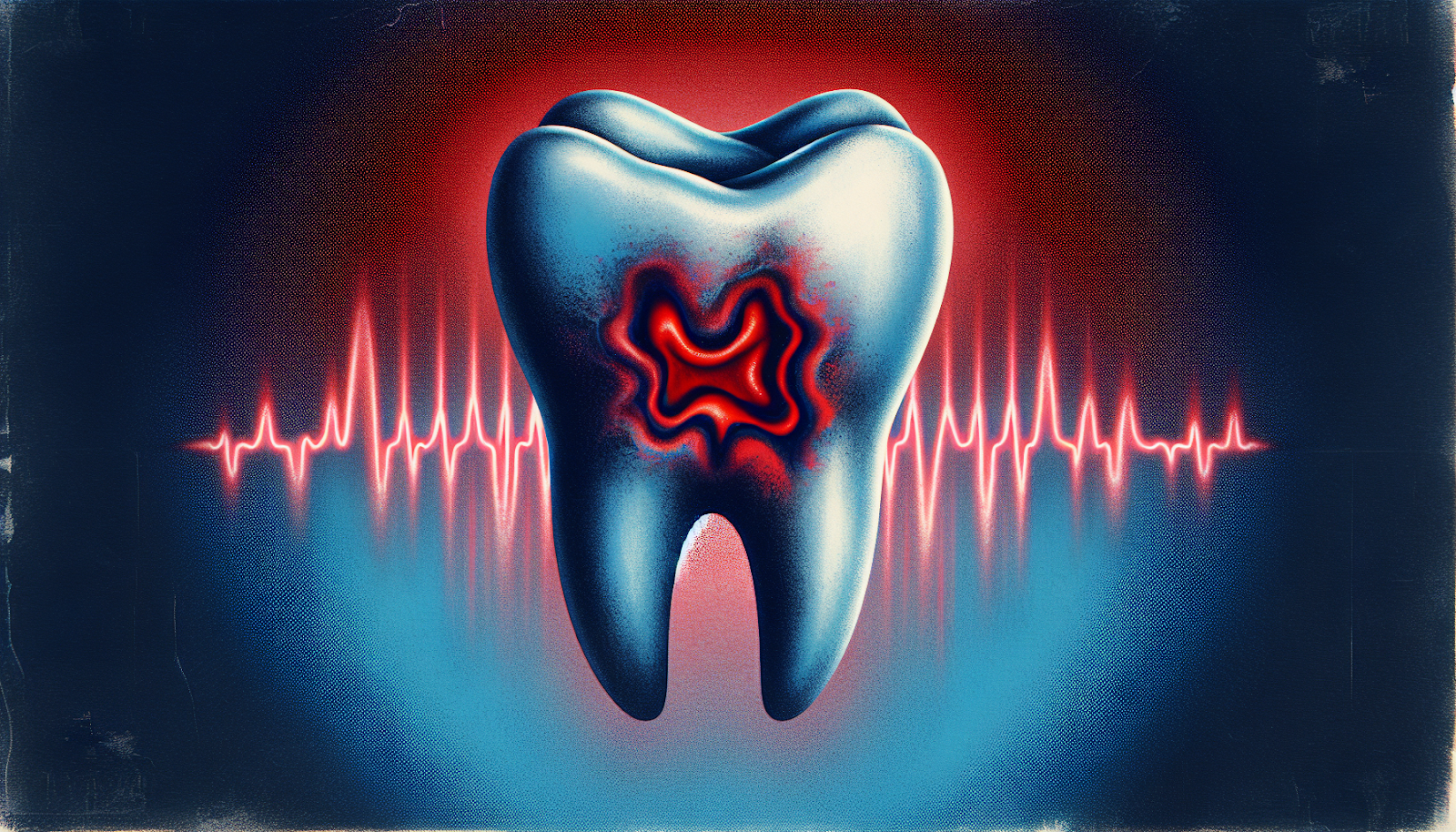
Tooth decay or cavities are often the leading causes of excruciating tooth pain. It is one of the most common dental issues that can lead to unbearable discomfort. When plaque, a sticky film of bacteria, builds up on your teeth, it produces acids that erode the enamel, leading to cavities. As the decay progresses, it can penetrate deeper into the tooth, reaching the sensitive dentin and pulp, causing severe pain and sensitivity. Some common symptoms of tooth decay include:
Toothache or pain that is constant or throbbing
Sensitivity to hot or cold foods and drinks
Pain when biting or chewing
Visible holes or pits in the teeth
Dark spots or stains on the teeth
If you are experiencing any of these symptoms, it is important to see a dentist as soon as possible to prevent further damage and alleviate the pain.
Preventing tooth decay involves maintaining good oral hygiene practices, such as brushing with fluoride toothpaste and visiting the dentist regularly for check-ups and cleanings. Using fluoride toothpaste helps strengthen the enamel, making it more resistant to decay. Addressing cavities early with dental fillings or, in more severe cases, root canal therapy can provide tooth pain relief and prevent further damage.
Gum Disease and Gingivitis
Gum disease, or gingivitis, is another significant cause of tooth pain. Plaque build-up on the teeth and gums leads to inflammation, causing pain, sensitivity, and sometimes bleeding gums. If left untreated, gingivitis can progress to periodontitis, a more severe form of gum disease that can damage the tissues and bones supporting the teeth.
Several factors can contribute to gum disease, including smoking, hormonal changes, and inadequate oral hygiene. It’s essential to address gum disease early through daily brushing and flossing, regular dental check-ups, and professional cleanings. Pregnant women should be particularly vigilant, as hormonal changes can increase the risk of gingivitis.
Dental Abscesses and Infections
Dental abscesses and infections often result in the following symptoms:
Throbbing pain
Swelling in the face or gums
Pain that radiates to the jaw, ear, or neck
Fever
Bad taste in the mouth
These symptoms are caused by a pocket of pus, known as an abscess, which is caused by a bacterial infection. If you are experiencing any of these symptoms, it is important to seek dental treatment as soon as possible.
Immediate dental attention is crucial for abscesses to prevent the infection from spreading and causing further complications. Rinsing with hydrogen peroxide can help ease the pain and inflammation temporarily, but professional treatment is necessary to fully address the issue.
Immediate Relief Measures for Severe Tooth Pain
When you’re experiencing unbearable tooth pain, finding immediate ways to relieve unbearable tooth pain is essential to manage the discomfort until you can see a dentist. While these measures provide temporary relief, they are not substitutes for professional dental care. Implementing home remedies and over-the-counter solutions can help you cope with severe pain.
Common immediate relief measures include rinsing with warm salt water, applying a cold compress, and taking over-the-counter pain relievers. These methods can help reduce inflammation, numb the affected area, and manage pain. Let’s explore each of these methods in more detail.
Rinse with Warm Salt Water
Rinsing with warm salt water is a simple yet effective way to alleviate tooth pain. Here’s how to do it:
Mix a couple of teaspoons of table salt in a glass of warm water.
Swish the salt water around in your mouth for about 30 seconds.
Spit out the salt water.
Repeat this process 2-3 times a day.
This can help reduce inflammation and clear away bacteria, providing relief from tooth pain caused by teeth grinding.
The salt helps to draw out excess fluid from swollen gum tissues, providing relief from pain and swelling.
Apply a Cold Compress
Applying a cold compress to the outside of your cheek can help numb the area and reduce swelling. The cold causes blood vessels to constrict, which can decrease blood flow to the affected area, reducing the severity of the pain. This method is particularly effective for managing pain and swelling from a broken or knocked-out tooth.
Over-the-Counter Pain Relievers
Over-the-counter pain relievers are essential for temporarily managing severe tooth pain. These medications can help provide immediate tooth pain relief until you can seek professional dental treatment.
It’s important to follow the recommended dosage and consult with a healthcare provider if you have any concerns.
When to Seek Emergency Dental Care
Recognising when to seek emergency dental care is crucial for preventing complications and ensuring prompt treatment. Certain symptoms, such as sudden and severe pain, swelling or abscess, and broken or knocked-out teeth, indicate the need for immediate attention. Ignoring these signs can lead to worsening pain and more severe dental problems.
Emergency dental care is necessary when over-the-counter medications and home remedies fail to provide relief or when symptoms are severe. Understanding these scenarios can help you make informed decisions about when to seek professional help.
Sudden and Severe Pain
Sudden and severe tooth pain that disrupts your daily activities is a clear indication of a dental emergency. If the pain persists for more than 60 minutes and is accompanied by symptoms like a high fever, red gums, or difficulty breathing, immediate medical attention is required. This level of pain often signals a serious underlying issue that needs prompt care.
Swelling or Abscess
Severe swelling around the face, jaw, or gums, often accompanied by fever, suggests an urgent need for dental treatment due to a possible infection or abscess. A dental abscess, characterised by a pocket of infection around the root of a tooth, requires immediate attention to prevent complications like facial swelling and fever.
Broken or Knocked-Out Tooth
Immediate dental care is crucial for a broken or knocked-out tooth to increase the chances of saving the affected tooth and preventing complications. If you have a knocked-out tooth, preserving it in milk or saliva can help with potential reattachment.
Seeking prompt dental care can ensure the best possible outcome for dental injuries.
What to Expect During an Emergency Dental Visit
Knowing what to expect during an emergency dental visit can help alleviate anxiety and ensure you’re prepared for the process. These visits are prioritised based on the severity of the issue, with severe cases often seen immediately. The visit typically involves an initial evaluation, diagnosis, and discussion of treatment options.
Understanding the steps involved in an emergency dental visit can make the experience less daunting and help you feel more in control of the situation. Let’s break down the process into evaluation and diagnosis, treatment options, and pain management.
Evaluation and Diagnosis
During an emergency dental visit, the dentist will conduct a comprehensive examination, focusing solely on the source of the problem rather than a general assessment. This may include reviewing your medical history, discussing symptoms, and possibly taking dental X-rays to identify the underlying issue causing the pain.
Treatment Options
Depending on the diagnosis, the dentist will discuss possible treatments such as fillings, root canal therapy, or tooth extraction. These procedures aim to address the cause of the pain and restore oral health. In some cases, sedation may be used to ensure comfort during more invasive treatments.
Pain Management
Pain management is a crucial aspect of emergency dental care. Dental anaesthetics are often used during treatments to numb the affected area, helping to manage pain during examinations and procedures.
Local anaesthetics, a type of pain medication, can provide significant relief, allowing for a more comfortable treatment experience.
Long-Term Solutions for Preventing Tooth Pain
Preventing tooth pain in the long term requires a commitment to good oral hygiene, a balanced diet, and regular dental check-ups. By taking proactive measures, you can significantly reduce the risk of developing dental problems that lead to pain. Let’s explore some of the key strategies for maintaining optimal oral health.
Maintaining good oral hygiene, limiting sugary and acidic foods, and having regular dental check-ups are essential steps in preventing tooth pain. These practices can help you avoid the discomfort and inconvenience of severe dental issues in the future.
Maintain Good Oral Hygiene
Brushing with fluoride toothpaste, flossing regularly, and using antibacterial mouthwash is crucial for maintaining good oral hygiene and preventing tooth pain. These practices help remove plaque and food particles that can lead to tooth decay and gum disease.
Regular dental check-ups and cleanings also play a significant role in keeping your teeth and gums healthy.
Limit Sugary and Acidic Foods
Reducing the intake of sugary and acidic foods can help prevent tooth decay, enamel erosion, and subsequent tooth pain. Sugary foods contribute to the formation of plaque acids, while acidic foods wear down enamel, making teeth more prone to sensitivity and cavities.
A balanced diet is essential for long-term dental health.
Regular Dental Check-Ups
Regular dental check-ups are vital for maintaining optimal oral health and preventing severe dental issues. During these visits, dentists can identify potential problems early and provide necessary treatments to prevent them from becoming more serious.
It’s recommended to visit the dentist at least twice a year for check-ups and cleanings.
Take Action: Don’t Let Your Tooth Pain lead to Further Complications
In summary, dealing with unbearable tooth pain requires a multi-faceted approach. Identifying the source of the pain is crucial for effective treatment, and immediate relief measures can help manage the discomfort temporarily. Knowing when to seek emergency dental care ensures prompt attention to severe symptoms, while understanding the process of an emergency dental visit can alleviate anxiety.
Long-term prevention involves maintaining good oral hygiene, limiting sugary and acidic foods, and having regular dental check-ups. By incorporating these practices into your routine, you can significantly reduce the risk of experiencing severe tooth pain and enjoy better oral health.
Take proactive steps today to protect your teeth and gums, and don’t hesitate to seek professional help when needed. Don’t let tooth pain control your life. Schedule a dental check-up today to prevent future emergencies and maintain optimal oral health.
Frequently Asked Questions
What are the common causes of unbearable tooth pain?
Unbearable tooth pain can be caused by tooth decay, gum disease, or dental abscesses, and each condition needs different treatments.
How can I get immediate relief from severe tooth pain?
To get immediate relief from severe tooth pain, rinse with warm salt water, apply a cold compress, and take over-the-counter pain relievers. This will help alleviate the discomfort quickly.
When should I seek emergency dental care?
You should seek emergency dental care if you experience sudden and severe pain, swelling or abscess, or a broken or knocked-out tooth. It’s important to address these issues promptly to prevent further complications.
What should I expect during an emergency dental visit?
During an emergency dental visit, you can expect an initial evaluation, diagnosis, discussion of treatment options, and pain management. This will help address your dental issue effectively and promptly.
How can I prevent tooth pain in the long term?
To prevent tooth pain in the long term, it’s important to maintain good oral hygiene, limit sugary and acidic foods, and have regular dental check-ups.
Zohra qualified from Teesside University with a First Class Honours in Dental Hygiene and Therapy in 2019.
With experience of over 10 years in Dentistry, Zohra has established herself as a skillful Dental Hygienist excelling in treating patients with dental anxiety due to her caring and gentle approach, she listens to her patients concerns and tailors her treatment and advice to each patients’ needs.
Zohra is dedicated to her role as a Hygienist and takes great pride in delivering and maintaining a high standard of care. She believes prevention is better than cure, as a result educates her patients on optimal oral hygiene. Her kind and confident approach has helped improve the oral health of her patients which in turn has improved the patients’ smiles and confidence.
To ensure her patients are receiving the best of care, Zohra, a keen learner, likes to keep up to date with evidence-based dentistry and continues to develop by attending regular professional development courses and reading dental literature in her spare time.
Outside of work she likes to volunteer, spend time with family & friends, trying different foods from different cultures, and travelling.
Dr Amar
Dentist
Amar qualified in 2020 from Bart’s & The London School of Medicine and Dentistry. He gained membership to the Royal College of Surgeons (England) in 2022. After his dental foundation training he did two years of additional training at the Eastman Dental Hospital, in Adult Restorative and Paediatric Dentistry.
His year in adult restorative dentistry has fuelled a keen interest in providing aesthetic and functional dentistry, taking into account the patient’s whole mouth as well as the specific teeth! He has a growing interest in providing Invisalign Go.
Angelica
Dentist
Angelica graduated from the Medical University of Plovdiv. Having studied abroad, Angelica was able to adapt her way of working with a variety of different patients to meet their needs. Angelica is a compassionate dentist who is committed to enhancing patients’ oral health and overall well-being. She puts a focus on creating a comfortable and friendly environment, ensuring that every patient feels valued and heard.
Combining knowledge and experience in preventative and restorative dentistry to develop personalised treatment plans tailored to each individual. Whether addressing routine check-ups or complex procedures, Angelica strives to empower patients with knowledge and confidence in their dental care, aiming to keep their smiles healthy and radiant. When Angelica isn’t working, she enjoys reading, walking, going to the gym and being social with friends and family.
Rachael Qualified from the University of Manchester in 2012. She went on to complete 1- year training at Guy’s and St Thomas’ Hospital to enhance her skills in oral medicine, oral surgery and special care dentistry.
Rachael has a particular interest in aesthetic and restorative dentistry and has completed various post-graduate courses in smile design, Invisalign, composite bonding and facial aesthetics. She is focused on minimally invasive techniques and is completing her Postgraduate diploma qualification in Restorative and Aesthetic Dentistry at the Dominic Hassall Training Institute. This ensures patients benefit from the most up to date techniques in dentistry.
She is known for her calm and friendly chairside manner, encouraging patients to feel comfortable, which has earned her great feedback and recommendations. Outside of dentistry, Rachael enjoys going to the gym, shoe making and cooking for her family and friends.
Dr Nina Bjerregaard Nielsen
Dentist
Dr. Nielsen graduated from the University of Copenhagen and completed her vocational training in Denmark. Soon after she moved to London to seek new challenges and broaden her understanding of dentistry internationally.
Dr. Nielsen enjoys all aspects of general dentistry and her main desire is to help patients achieve better oral health while performing minimally invasive treatments where applicable.
Dr. Nielsen has previously worked as a paediatric dentist and with patients with special needs. This has given her a better understanding of how to reduce dental anxiety and give the patient an overall better experience during dental procedures.
In her spare time Nina enjoys spending time with friends and family and is a keen handball player, hoping to promote this overlooked sport in the UK
Dr David O’milegan
Dentist
David Graduated with honours from Bart’s and the Royal London Dental School and completed his vocational training Under the London Charring cross scheme. David is a very happy and passionate Dentist and you only have to speak to his patients who will speak of his caring and gentle approach. As a true perfectionist David is dedicated to excellence at every level and will go that extra mile to achieve the best results for his patients.
To further develop his clinical skills he has completed his Diploma of membership of the faculty of dental surgery at the Royal College of surgeons and physicians in Glasgow, and completed his Diploma in Implant Dentistry at Warwick University and City of London Dental School. As a member of the British Academy of Cosmetic Dentistry, European society Of Aesthetic Orthodontics, and Association of Dental Implantology he remains current with the latest developments and technologies. In his spare time David enjoys spending time with his friends and family and is very passionate about football and keeping fit.
Dr Sandeep Singh
Dentist
Dr Singh graduated from Bart’s and the Royal London School of Medicine and Dentistry whilst also serving in the Army reserves with the University of London Officer’s Training Core. He went on to complete his vocational training under the London Deanery thereafter.
Dr Singh is a disciplined yet grounded clinician who aims to make treatment as comfortable as possible whilst acheiving your goals effectively. He has much experience in the general setting, particularly with nervous patients and inspiring children to build a foundation of good oral health for life.
His particular interests include smile design, facial aesthetics and minimally invasive dentistry where applicable. In his spare time Dr Singh enjoys reading, physical training and the outdoors. His friends ,family and patients all concur that he is a pleasure to deal with in matters clinical or otherwise.
We use cookies on our website to give you the most relevant experience by remembering your preferences and repeat visits. By clicking “ACCEPT ALL”, you consent to the use of ALL the cookies. However, you may visit "Cookie Settings" to provide a controlled consent.
This website uses cookies to improve your experience while you navigate through the website. Out of these, the cookies that are categorized as necessary are stored on your browser as they are essential for the working of basic functionalities of the website. We also use third-party cookies that help us analyze and understand how you use this website. These cookies will be stored in your browser only with your consent. You also have the option to opt-out of these cookies. But opting out of some of these cookies may affect your browsing experience.
Necessary cookies are absolutely essential for the website to function properly. These cookies ensure basic functionalities and security features of the website, anonymously.
Cookie
Duration
Description
cookielawinfo-checkbox-analytics
11 months
This cookie is set by GDPR Cookie Consent plugin. The cookie is used to store the user consent for the cookies in the category "Analytics".
cookielawinfo-checkbox-functional
11 months
The cookie is set by GDPR cookie consent to record the user consent for the cookies in the category "Functional".
cookielawinfo-checkbox-necessary
11 months
This cookie is set by GDPR Cookie Consent plugin. The cookies is used to store the user consent for the cookies in the category "Necessary".
cookielawinfo-checkbox-others
11 months
This cookie is set by GDPR Cookie Consent plugin. The cookie is used to store the user consent for the cookies in the category "Other.
cookielawinfo-checkbox-performance
11 months
This cookie is set by GDPR Cookie Consent plugin. The cookie is used to store the user consent for the cookies in the category "Performance".
viewed_cookie_policy
11 months
The cookie is set by the GDPR Cookie Consent plugin and is used to store whether or not user has consented to the use of cookies. It does not store any personal data.
Functional cookies help to perform certain functionalities like sharing the content of the website on social media platforms, collect feedbacks, and other third-party features.
Performance cookies are used to understand and analyze the key performance indexes of the website which helps in delivering a better user experience for the visitors.
Analytical cookies are used to understand how visitors interact with the website. These cookies help provide information on metrics the number of visitors, bounce rate, traffic source, etc.
Advertisement cookies are used to provide visitors with relevant ads and marketing campaigns. These cookies track visitors across websites and collect information to provide customized ads.