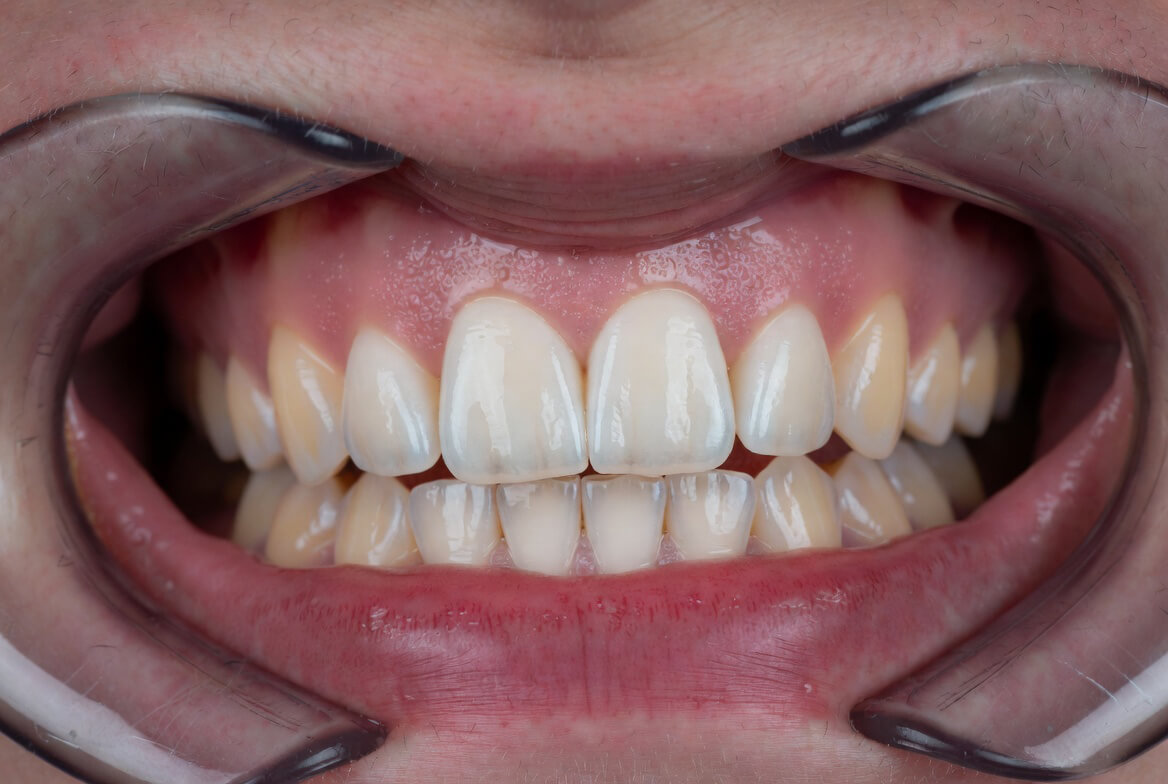
Are you considering Invisalign in East London but unsure what the treatment involves? Understanding each stage from your first consultation to wearing your final retainers can help you decide whether clear aligners are right for you.
Based on Cambridge Heath Road in E2, Chrysanth Dental Care provides Invisalign consultations for patients from Bethnal Green, Hackney and surrounding East London areas. Here is what you can expect throughout your treatment journey.
Is Invisalign the Right Treatment for You?
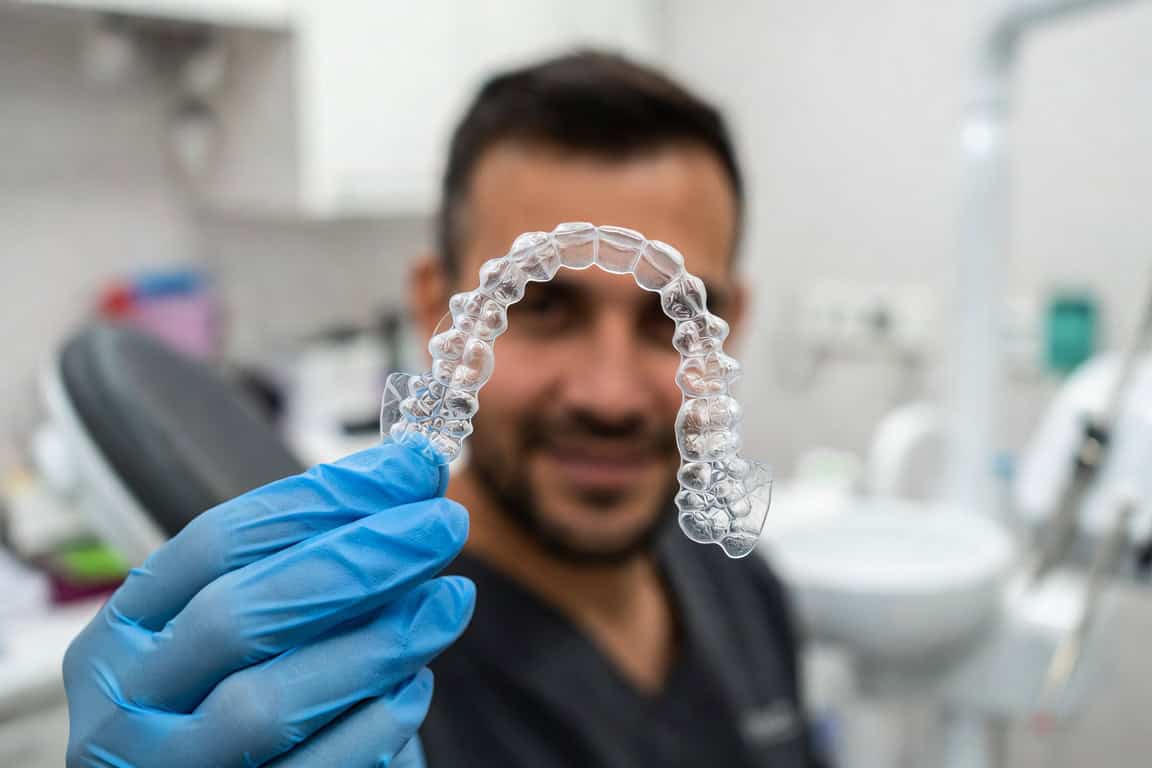
Invisalign uses a series of custom-made, removable clear aligners to gradually move your teeth. It may be suitable for concerns such as crowded teeth, gaps, rotations and certain bite problems.
However, Invisalign is not the right option for every patient. The best way to find out is through a professional consultation.
During your first appointment, your dentist will:
Discuss what you would like to change about your smile
Examine the position of your teeth and your bite
Check the health of your teeth and gums
Explain the treatment options that may suit you
Answer questions about treatment time, costs and expected results
Any active tooth decay or gum problems will normally need to be addressed before orthodontic treatment begins. More complex cases may also require a different orthodontic approach.
Chrysanth Dental Care’s Cambridge Heath Road practice is conveniently located for patients travelling from Bethnal Green, Hackney and the wider E2 area.
What Happens During Invisalign Treatment?
If Invisalign is suitable for you, your dentist will create a treatment plan based on the current position of your teeth and the result you would like to achieve.
Digital scans and treatment planning
Digital scans or impressions are taken to create an accurate record of your teeth. These are used to plan the gradual movements required and produce your custom aligners. You may also be shown a digital preview of how your smile could look following treatment.
Receiving your first aligners
Once your aligners are ready, your dentist will check their fit and show you how to insert, remove and care for them. Some patients may also need small, tooth-coloured attachments placed on selected teeth to help the aligners create more precise movements.
Changing your aligners
Each set of aligners is usually worn for a specified period before you move on to the next set. You should follow the schedule provided by your dentist and avoid changing aligners earlier than advised.
Most patients will need to wear their aligners for approximately 20–22 hours per day. They should only be removed for eating, drinking anything other than water, brushing and flossing.
You can learn more about professionally supervised Invisalign treatment in East London, including how the aligners work and the treatment options available.
Living with Invisalign Day to Day
The aligners are removable, making them easier to fit around work, meals and social occasions. However, wearing and caring for them consistently is essential.
Eating and drinking: Remove your aligners before eating or drinking anything other than water. Tea, coffee and strongly coloured drinks can stain the trays, while hot drinks may affect their shape.
Cleaning your teeth: Brush your teeth before replacing your aligners whenever possible. This helps prevent food and sugar from becoming trapped between the aligners and your teeth.
Cleaning your aligners: Rinse the aligners when you remove them and clean them using the method recommended by your dental team. Avoid hot water and abrasive toothpaste, as these could damage the trays.
Managing discomfort: Mild tightness or tenderness can occur when you start wearing a new set of aligners. This usually settles as your mouth adjusts. Contact your dentist if you experience persistent pain, damage an aligner or find that it no longer fits correctly.
Regular review appointments allow your dentist to check that your teeth are moving as planned. The frequency of these appointments will depend on your individual treatment plan.
How Long Does Invisalign Treatment Take?
Treatment time varies depending on the position of your teeth, the complexity of the movements required and how consistently you wear your aligners.
Mild cases may be completed within several months, while more complex cases can take longer. Your dentist will provide a personalised estimate after examining your teeth, although treatment times can change depending on how your teeth respond.
At the end of your initial series of aligners, your dentist will review your progress. Some patients may need additional refinement aligners to make smaller adjustments before treatment is completed.
You will also need to wear retainers after treatment. Retainers help maintain the new position of your teeth and reduce the risk of them gradually moving back. Your dentist will explain how often and for how long yours should be worn.
The price of treatment will depend on your individual needs and the number of aligners required. Further information is available on Chrysanth Dental Care’s Invisalign in East London page, but an exact treatment plan and cost can only be confirmed following a consultation.
Ready to begin your Invisalign journey?
If you are considering Invisalign in Bethnal Green, Hackney or the surrounding East London area, Chrysanth Dental Care can assess your smile and explain the options available to you.
Looking for a private dentist in Hackney but unsure which practice is right for you? Whether you have recently moved to E8, need a routine check-up or want to explore cosmetic treatment, the dentist you choose can have a lasting effect on your oral health and confidence.
From the treatments available to appointment flexibility and transparent pricing, several practical factors deserve consideration. This guide explains what to look for when comparing private dental practices in Hackney, Dalston, London Fields and surrounding East London areas.
Does the Practice Provide the Dental Care You Need?
Your dental needs may change over time, so consider whether the practice offers both routine care and more advanced treatments.
General and preventative care: Regular examinations, dental hygiene appointments and treatment for problems such as tooth decay and gum disease should form the foundation of the practice’s services. Preventative care helps identify potential concerns before they become more complicated.
Restorative treatment: Check whether the dentist provides fillings, crowns, bridges, root canal treatment and options for replacing missing teeth. Receiving different treatments within the same practice can provide greater continuity of care.
Cosmetic and orthodontic options: If you are interested in improving your smile, look for treatments such as teeth whitening, composite bonding, dental implants or clear aligners. The dentist should assess your suitability and explain the benefits, limitations and alternatives before recommending treatment.
Choosing a comprehensive private dentist in Hackney means you are less likely to need referrals to several different clinics as your requirements change.
Are the Dental Team Qualified, Experienced and Reassuring?
Qualifications matter, but the way a dental team communicates with you is equally important.
Professional registration: Dentists and other dental professionals practising in the UK must be registered with the General Dental Council. You can check an individual clinician’s registration before beginning treatment.
Relevant experience: If you are considering a particular procedure, ask how regularly the dentist provides it and what training they have completed. This is particularly important for treatments such as dental implants, Invisalign and cosmetic dentistry.
Clear explanations: A good dentist should explain what they have found, outline your suitable options and answer your questions without unnecessary jargon. You should understand why treatment has been recommended before agreeing to proceed.
Support for nervous patients: If you experience dental anxiety, ask how the practice supports nervous patients. Longer appointments, a calm environment and the opportunity to discuss concerns before treatment can make visits feel more manageable.
Patient reviews may also provide useful insight. Look for recurring feedback about communication, professionalism, comfort and treatment quality rather than relying on one isolated comment.
Is the Practice Convenient for Hackney Patients?
Even an excellent dentist may not be the right choice if attending regular appointments is difficult.
Location and transport: Consider how easily you can reach the practice from your home, workplace or your child’s school. This is especially important if your treatment requires several review appointments.
Chrysanth Dental Care is located on Cambridge Heath Road, close to Mare Street and Cambridge Heath Station. Its location is accessible to patients from Hackney Central, London Fields, Dalston, Homerton and other parts of E8 and East London.
Opening hours: Check whether the practice offers appointments that fit around your responsibilities. Early, late or Saturday availability may be valuable if you work full-time or need to arrange family appointments.
Emergency care: Find out what happens if you develop severe tooth pain, damage a tooth or experience another urgent problem. Ask whether the practice offers emergency appointments and how you should contact the team outside its normal opening times.
When comparing a dentist in Hackney, think about whether you could attend conveniently for both planned and unexpected care.
Are the Costs and Treatment Plan Explained Clearly?
Private treatment costs vary according to the practice, the procedure and the complexity of your needs. Clear information allows you to make a properly informed decision.
Transparent fees: Look for an accessible price guide and ask what is included in the quoted cost. Some procedures may require separate consultations, scans, aftercare or maintenance appointments.
Written treatment plans: Before beginning treatment, you should receive a written plan explaining the recommended procedures and associated costs. If there is more than one appropriate option, your dentist should explain the differences.
Personalised recommendations: Be cautious if a practice recommends treatment before assessing your teeth, gums and general oral health. Accurate costs and treatment times can usually only be confirmed after a consultation.
Cost is naturally important, but the cheapest option will not necessarily provide the best value. Experience, communication, aftercare and the quality of the treatment should all contribute to your decision.
Choose a private dentist in Hackney with confidence
The right dental practice should make you feel informed, comfortable and confident about your care. Compare the team’s qualifications, available treatments, approach to nervous patients, location and pricing before deciding.
Chrysanth Dental Care provides general, restorative and cosmetic dentistry for patients across Hackney and East London. The practice is open six days a week and is conveniently located near Cambridge Heath Station.
Severe toothache, facial swelling or a damaged tooth can develop without warning. Knowing whether you need an emergency dentist in Hackney can help you act quickly, relieve pain and reduce the risk of the problem becoming more serious.
Located on Cambridge Heath Road, Chrysanth Dental Care provides emergency dental appointments for patients from Hackney and surrounding East London areas. Here are the symptoms that require urgent attention and what you should do while waiting to see a dentist.
Which Dental Problems Require an Urgent Appointment?
Not every dental problem is an emergency, but you should seek urgent advice if pain, swelling, bleeding or damage is affecting your daily life.
Severe or persistent toothache: Tooth pain that affects your sleep, eating or everyday activities may be caused by decay, inflammation, a damaged tooth or an infection. Painkillers may provide temporary relief, but they will not treat the underlying problem.
Swelling in the mouth or face: Swelling around a tooth, gum, jaw or cheek can be a sign of infection or a dental abscess. Other possible symptoms include a bad taste, fever, pain when biting or difficulty opening your mouth. Prompt assessment is important because an untreated infection may spread.
A broken or cracked tooth: A damaged tooth may expose its inner layers, cause pain or leave a sharp edge. Even if the discomfort is manageable, arrange an assessment before the tooth becomes more damaged or infected.
A lost filling or crown: A missing restoration can leave the tooth sensitive and vulnerable to further damage. Avoid chewing on that side and contact a dentist for advice.
If you experience any of these problems, contact an emergency dentist near Hackney for an assessment rather than waiting for the symptoms to worsen.
What Should You Do if a Tooth Is Knocked Out?
A knocked-out adult tooth requires immediate dental attention. According to current NHS guidance, you should:
Hold the tooth by its white crown, not the root.
If it is dirty, rinse it gently in milk, saline or saliva.
Try to place it back into the socket if it goes in easily.
Bite gently on a clean cloth to hold it in position.
See a dentist as soon as possible.
If the tooth cannot be replaced, keep it in milk or saliva and take it with you. Do not allow it to dry out.
Never attempt to put a knocked-out baby tooth back into its socket, as this could damage the adult tooth developing underneath.
You should also seek urgent dental care following other dental injuries, particularly when a tooth has become loose, fractured or displaced.
When Should You Contact NHS 111 or Call 999?
Most urgent dental problems should be managed by a dentist rather than a GP or hospital. However, some symptoms require immediate medical attention.
Call 999 or go to A&E if you have:
Heavy bleeding from your mouth that will not stop
A serious injury to your face or jaw
Severe swelling affecting your mouth, lips, throat or neck
Swelling that makes it difficult to breathe
A facial or head injury followed by unconsciousness, vomiting or double vision
If you need urgent dental care but cannot contact your normal dentist, call NHS 111 or use NHS 111 online. NHS 111 can advise you where to receive appropriate care based on your symptoms. The NHS emergency dental guidance also recommends seeking urgent advice for pain that affects sleep or daily activities, persistent mouth swelling, a knocked-out tooth or bleeding following a recent extraction.
What Can You Do While Waiting for the Dentist?
Self-care may temporarily reduce discomfort, but it should not replace professional assessment.
Managing pain: Ask a pharmacist for advice about suitable pain relief, particularly if you have existing health conditions, take other medicines or are unsure what you can safely use.
Reducing swelling: A cold compress placed against the outside of the face may help with discomfort. Do not apply heat to facial swelling, as this may make symptoms worse.
Protecting the affected tooth: Avoid chewing on the painful side and stay away from very hot, cold or sugary foods if they trigger sensitivity.
Keeping the area clean: Gently rinsing with warm salt water may help keep the mouth clean. Do not place aspirin directly against the tooth or gum.
Controlling bleeding: Apply steady pressure using clean gauze. If heavy bleeding does not stop, call 999 or attend A&E.
These steps are only intended to help while you arrange appropriate care. Dental pain or swelling that persists should always be professionally assessed.
Arrange emergency dental care near Hackney
Chrysanth Dental Care offers emergency appointments from its Cambridge Heath Road practice, conveniently located for patients from Hackney and Bethnal Green. Appointments are allocated on a first-come, first-served basis, and the practice is open six days a week, including Saturdays.
Call 020 3620 1113 to request an appointment. For an out-of-hours dental emergency, call 07985 579154.
Considering professional teeth whitening in East London but unsure what the treatment involves? Whether you want to brighten your smile before a wedding, holiday or important event, understanding the process can help you prepare and set realistic expectations.
Chrysanth Dental Care provides professional teeth whitening from its Cambridge Heath Road practice in E2, conveniently located for patients from Bethnal Green, Hackney and surrounding East London areas. Here is what you can expect before, during and after your treatment.
Is Professional Teeth Whitening Right for You?
Professional teeth whitening uses carefully controlled whitening products to reduce discolouration and lighten natural teeth. It can help with stains caused by tea, coffee, red wine, smoking and the natural ageing process.
However, whitening is not suitable for everyone. Your treatment should begin with a consultation so that a dentist can examine your teeth and gums.
During your appointment, your dentist will:
Assess your general oral health
Discuss what you would like to achieve
Identify the likely cause of the discolouration
Check for decay, gum disease or exposed roots
Explain the suitable whitening options
Discuss possible sensitivity and aftercare
Any active dental problems may need to be treated before whitening begins. Your dentist may also recommend a hygiene appointment if plaque or surface staining could affect the result.
It is important to remember that whitening only changes the colour of natural teeth. Crowns, veneers, fillings and composite bonding will not whiten. If you have visible restorations, your dentist will explain how treatment could affect the overall appearance of your smile.
What Happens During Teeth Whitening Treatment?
The treatment process will depend on the whitening system selected following your consultation.
Chrysanth Dental Care offers several professional options, including Whitening Boutique, Colgate and Zoom. Your dentist will recommend the most appropriate approach based on your teeth, preferences, budget and desired outcome.
Preparing your smile: Your dentist may record the current shade of your teeth before treatment. This provides a useful comparison and helps you understand what may realistically be achieved.
Professionally supervised whitening: Depending on the system selected, treatment may take place at the practice or involve whitening at home using products supplied and supervised by your dentist. If trays are required, they will be made to fit your teeth securely.
Following your instructions: The amount of whitening product used and the length of time it is applied will depend on your personalised plan. Follow the instructions provided by your dentist rather than using the product more frequently in an attempt to speed up the result.
Temporary sensitivity can occur during or after teeth whitening. It may feel like a short, sharp sensation when your teeth are exposed to cold air, food or drinks.
The level of sensitivity varies between patients and may depend on the condition of your teeth and the whitening system used. Professional supervision allows your dentist to assess your risk and adjust your treatment if necessary.
Before treatment: Tell your dentist if you already experience sensitive teeth. They may suggest using a sensitivity toothpaste before treatment or recommend another way to make the process more comfortable.
During treatment: Do not use more whitening product than instructed. If sensitivity becomes uncomfortable or persists, stop treatment and contact your dental team for advice.
Protecting your gums: Custom-fitted trays and professional guidance can help prevent whitening gel from coming into unnecessary contact with the gums. Report any persistent irritation to your dentist.
Patients travelling from Hackney, Bethnal Green and nearby East London neighbourhoods can attend the Cambridge Heath Road practice for an assessment and personalised whitening advice.
How Can You Maintain Your Whiter Smile?
The length of time your results last will depend on your oral hygiene, diet and lifestyle. Teeth can gradually become stained again, but a consistent routine can help maintain their brighter appearance.
Be careful after treatment: Your dentist may advise avoiding strongly coloured food and drinks immediately after whitening. Coffee, tea, red wine, tobacco and heavily pigmented foods can contribute to renewed staining.
Maintain good oral hygiene: Brush twice daily with fluoride toothpaste, clean between your teeth and attend routine dental examinations. Hygiene appointments can also help remove plaque and some external staining.
Limit staining habits: Drinking water after tea or coffee and avoiding smoking can help reduce further discolouration.
Only use approved top-ups: Do not purchase unregulated whitening products or repeat treatment without advice. Your dentist can explain whether a professional top-up is appropriate and how often it can be completed safely.
Further information about the available treatments and current prices can be found on the teeth whitening in East London page.
Book a teeth-whitening consultation in East London
If you are considering teeth whitening in Bethnal Green, Hackney or the surrounding East London area, Chrysanth Dental Care can assess your smile and recommend a suitable professional treatment.
Private Dental Costs Explained: What East London Patients Need to Know
If you’ve just googled ‘cost of private dental care East London: what to expect’ then you’re probably trying to answer one simple question. How much will private dental treatment actually cost me?
It’s a fair question, especially if you’re comparing private dental care to NHS dental treatment, or if you’re trying to decide if it’s the right time to invest in your oral health.
We speak to patients every day at Chrysanth Dental Care who are unsure about private dental fees, treatment options and whether private dentistry is worth the extra investment . The truth is that prices will vary depending on your needs, but knowing what goes into pricing can help you make informed decisions and avoid surprises.
In this guide we’ll discuss typical private dental prices, factors that influence pricing, and why many patients in East London choose private dental care for both routine and complex treatments.
Why Are More People Choosing Private Dental Care?
Access to dental appointments has become more and more difficult in many parts of the UK over the last few years. Dentistry still provides essential care, but many patients are looking to private dental practices for more flexibility and a broader choice of treatment options.
Private care often offers:
Faster access to appointments
Extended consultation periods
More personalised treatment plans
Greater choice of cosmetic and restorative treatments
Access to advanced technology
Flexible payment options
For many patients it’s a lot more than convenience. It’s about getting personalised care that helps you maintain long-term dental and oral health.
What Affects the Cost of Private Dental Care?
One of the biggest myths about private dental treatment is that all practices charge the same prices. Actually there are many factors that impact the costs.
Initial Consultation and Clinical Examination
Every treatment begins with an initial consultation and clinical examination.
During your new patient consultation, your dentist will examine your teeth, gums and overall oral health. This often includes x-rays, gum health checks, oral cancer screening and a chat about any concerns you may have.
Once your patient has been examined, you should be given a written treatment plan with suggested treatment options and costs, and whether further treatment might be needed.
Complexity of the Treatment
Simple procedures naturally cost less than more advanced care.
For example:
Routine check-ups
Professional cleaning
Small fillings
typically cost significantly less than:
Root canal treatment
Dental implants
Orthodontic treatment
Oral surgery
Extensive restorative work
The more time, expertise, laboratory work, and appointments involved, the higher the associated costs are likely to be.
Technology and Materials
Modern dental clinics have invested greatly in advanced technology to provide greater accuracy, comfort and results.
Digital scanners, 3D imaging, new restorative materials and advanced diagnostic tools all contribute to patient care, but may affect pricing.
Experience of the Dentist
A private dentist with lots of experience who regularly carries out complex procedures may charge more than a newly qualified clinician.
But experience often translates into more predictability and less chance of complications or corrective work later on.
Typical Private Dental Costs in East London
While fees vary between practices, the following ranges provide a useful guide.
New Patient Consultation
A comprehensive new patient examination generally costs between £60 and £150.
This appointment may include:
Clinical examination
X-rays if required
Oral health assessment
Gum health evaluation
Preventive advice
Treatment recommendations
Routine Check-Ups
Regular dental appointments are essential for maintaining good oral health.
Most private practices charge between £50 and £100 for routine examinations.
Professional Cleaning and Hygiene Appointments
Professional cleaning appointments usually range from £60 to £150.
Regular hygiene visits can help prevent:
Gum disease
Tooth decay
Bad breath
Future restorative treatments
Fillings
Composite fillings generally cost between £100 and £350 depending on size and complexity.
Root Canal Treatment
Many patients worry when they hear they need a root canal.
The good news is that modern root canal treatment is far more comfortable than its reputation suggests.
Typical costs range from:
£300 to £600 for front teeth
£500 to £1,200+ for molars
The cost depends on the complexity of the canals and whether specialist treatment is required.
Tooth Extraction
A simple tooth extraction may cost between £100 and £300.
More complex extractions or oral surgery procedures can cost significantly more.
Dental Implants
Dental implants remain one of the most effective long-term tooth replacement solutions.
Patients can typically expect costs starting from £2,000 per implant, with more complex cases costing considerably more if additional procedures are required.
Costs vary depending on the treatment and complexity of the case.
What About Urgent Dental Treatment?
Nobody plans for a dental emergency.
Unfortunately issues like a dental abscess, broken tooth, severe pain or trauma need immediate attention.
Many private practices treat urgent dental problems and try to provide same-day appointments where possible.
The cost of urgent treatment varies depending on the diagnosis and treatment, but emergency dental consultations typically cost between £30 and £80 before any dental work is carried out.
Emergency appointments on weekends and evenings tend to be more expensive.
For example, a simple emergency examination or temporary fillings will often be less expensive than emergency root canal treatment or extensive restorative work.
The main benefit of private healthcare is usually quicker access to timely assessment and treatment when you need it most.
Is Private Dental Care Worth the Cost?
This is perhaps the question we’re asked most often.
Our honest answer is that it depends on your priorities, but many patients find the investment worthwhile.
Prevention Saves Money
Regular routine check-ups, hygiene visits, and preventive advice can identify issues before they become expensive problems.
We’ve seen patients avoid thousands of pounds of treatment simply because a small issue was detected early.
More Treatment Options
Private patients often have access to treatments that may not be available through standard pathways.
Private care often provides greater flexibility around appointment times and treatment planning.
This can be particularly valuable for busy professionals and families.
NHS Treatment vs Private Treatment
Many patients compare NHS treatment with private treatment when considering their options.
While both aim to improve oral health, there are some important differences.
NHS dentistry focuses on providing clinically necessary treatment to maintain dental health.
Private dentistry typically offers:
Broader treatment options
Cosmetic treatments
More appointment flexibility
Additional restorative solutions
More personalised treatment plans
It’s worth noting that eligibility for free NHS dental treatment depends on specific criteria and exemptions.
Many adults are required to pay NHS charges for treatment.
If you’re currently registered with NHS dentists, your dentist can explain which options are available under NHS and private care.
Can Dental Insurance Help?
Some patients choose dental insurance to help manage costs.
Policies vary considerably, but may contribute towards:
Routine examinations
Hygiene appointments
Emergency treatment
Certain restorative treatments
Before commencing treatment, always check exactly what your provider covers.
Payment Plans and Membership Plans
Many East London dental practices understand that some treatments represent a significant investment.
To make care more accessible, many offer:
Membership Plans
Monthly membership plans can help spread the cost of routine care.
These often include:
Regular examinations
Hygiene appointments
Discounts on treatment
Emergency cover benefits
Payment Plans
For extensive treatment or more complex treatments, some practices offer finance solutions and payment plans.
These can make larger treatment costs more manageable by spreading payments over time.
How to Choose the Right Private Dentist
Price matters, but it shouldn’t be the only factor.
When comparing dental practices, consider:
Qualifications and experience
Patient reviews
Treatment options available
Technology used
Transparency of private fees and competitive pricing
Quality of communication
Compliance with General Dental Council standards
A reputable dental clinic should always provide a clear written treatment plan before treatment begins.
You should fully understand costs, treatment options, timelines, and any potential further treatment requirements before proceeding.
Frequently Asked Questions
1. How much does a private dental appointment cost in East London?
A standard private dental appointment will generally cost between £50 and £100, and new patient consultations will be between £60 and £150 (withut treatment).
2. Is private dental care better than NHS dentistry?
Neither is necessarily superior. NHS dentistry provides vital treatment, but private dentistry can provide patients with more choice, quicker access and a wider range of treatments.
3. Can I get urgent dental treatment privately?
Yes. Many private dental practices have emergency slots available the same day for dental emergencies, severe pain, dental abscesses, and urgent treatment needs.
4. Are payment plans available for expensive treatments?
A lot of private practices will offer you payment plans or finance options for things like dental implants, orthodontic treatment and restorative dentistry.
5. How often should I have a dental check-up?
Most patients will need to see their dentist for routine check-ups every six to twelve months. Your dentist may suggest a different schedule based on your oral health needs.
Conclusion
Knowing the price of private dentistry in East London: what to expect puts you in control to plan and make informed decisions about your oral health.
Private dental costs depend on the treatment needed, the complexity of the case and the expertise of the clinician. However, many patients find that the benefits of private care, including faster access, personalised treatment plans and greater treatment choice, outweigh the cost.
At Chrysanth Dental Care, we believe every patient deserves clear information, upfront pricing, and expert advice. Whether you need a routine check-up, urgent dental treatment, cosmetic dentistry or more extensive restorative treatments, the first step is always a thorough consultation and a personalised treatment plan tailored to your needs.
Disclaimer
This article is intended for general informational purposes only and does not constitute dental or medical advice. Treatment recommendations, costs, and suitability vary between patients. Always consult a qualified dental professional for personalised advice before making decisions regarding your dental health or treatment.
A confident smile can work wonders on how you feel about yourself. Your smile plays a bigger role in your confidence than you may think, whether you are meeting someone for the first time, attending an important event or just looking in the mirror every morning.
Dental issues are a part of life for many people for years. Perhaps you’ve seen some staining that just won’t come off with whitening toothpaste, a chipped tooth that has always bothered you, or teeth that have shifted over the years. These issues are common, but they can affect your ability to smile and interact freely with other people. In fact, 23% of UK adults don’t show their teeth when they smile.
This is where a smile makeover comes in.
In this guide we’ll tell you what a smile makeover is, what treatments might be involved, and how to tell if it’s the right choice for you.
What Is a Smile Makeover?
A smile makeover is a customised combination of cosmetic, restorative, and cosmetic dentistry procedures designed to improve the appearance, function, and overall harmony of your smile.
Rather than focusing on one isolated issue, a smile makeover looks at the bigger picture. It considers factors such as:
Tooth colour
Tooth shape and size
Alignment
Spacing
Gum appearance
Facial proportions
Bite function
Every smile is unique, therefore every smile makeover is unique.
What Dental Issues Can a Smile Makeover Address?
Many people assume smile makeovers are only for major cosmetic concerns, but they can address a wide range of issues.
Discoloured or Stained Teeth
Years of consuming tea, coffee, red wine, and certain foods can leave teeth looking dull or stained. Professional whitening treatments can often help you achieve a brighter smile, though smile bright results depend on the cause of staining and the treatment used.
Chipped or Cracked Teeth
Small chips and cracks might seem insignificant, but they can really affect the way your smile looks overall. Composite bonding, dental bonding or veneers can often restore a natural look. Bonding uses tooth coloured resin, and is often completed in one visit.
Gaps Between Teeth
Some patients like the look of their natural spaces while others want a more uniform appearance. Options may include bonding, veneers or orthodontic treatment, depending on the size of the gaps between the teeth.
Crooked or Misaligned Teeth
Even slight misalignment or crooked teeth can affect both appearance and oral health. Modern orthodontic treatments such as Invisalign and other clear aligners can discreetly straighten teeth, whereas traditional metal braces may be recommended for cases needing more substantial correction.
Worn Teeth
Teeth naturally wear down over time. Grinding, clenching, and ageing can contribute to a shorter, uneven appearance that may benefit from restorative treatment, as worn teeth can also be weakened teeth that need strengthening as well as cosmetic improvement.
Missing Teeth
Missing teeth, or lost teeth, can affect chewing, speech, and confidence. Dental implants and other restorative solutions can help rebuild both function and appearance, with implants offering a permanent solution that also helps prevent shifting of adjacent teeth.
Uneven Gum Lines
Sometimes the issue isn’t the teeth themselves but the surrounding gum tissue, and a gummy smile is a common reason patients consider this treatment. Gum contouring, sometimes called a gum lift, can help create better balance and symmetry.
What Treatments Are Included in a Smile Makeover?
A smile makeover involves tailored smile makeover procedures. Instead, your dentist chooses dental procedures based on your specific aesthetic and functional needs.
Teeth Whitening
Professional teeth whitening remains one of the most popular cosmetic dental treatments.
Unlike over-the-counter products, professional whitening is tailored to your teeth and supervised by dental professionals. This helps achieve more predictable and longer-lasting results.
Many patients are surprised by how much brighter and healthier their smile can appear after whitening alone.
Composite Bonding
Composite bonding uses a tooth-coloured resin to improve the appearance of teeth. It can also help preserve natural teeth because it usually requires minimal alteration.
It can be used to:
Repair chips
Close small gaps
Improve tooth shape
Mask minor discolouration
One reason bonding is so popular is that it often requires minimal alteration to natural tooth structure. Composite bonding starts at £250 per tooth.
Dental Veneers
Porcelain veneers are thin custom-made shells that are bonded to the front surface of teeth.
They can address multiple concerns simultaneously, including:
Discolouration
Minor misalignment
Uneven tooth shape
Small gaps
Modern veneers are designed to look highly natural when planned and placed correctly. Porcelain veneers start at £859 per tooth.
Invisalign and Teeth Straightening
Many adults avoid traditional braces because they worry about appearance.
Clear aligner systems, such as Invisalign, offer an invisible way to straighten teeth. The aligners are easy to remove, comfortable to wear in daily life and will gradually straighten teeth over time.
Orthodontic treatments are frequently an important part of a smile makeover plan if they have alignment issues, and may also help with bite issues.
Teeth straightening can cost from £2,600.
Dental Crowns
Crowns may be recommended when a tooth is heavily damaged or weakened.
They restore strength while also improving appearance, helping blend the tooth seamlessly with the surrounding smile.
Dental Implants
Dental implants are often used as part of a wider smile makeover to replace one or more missing teeth and are often considered the gold standard replacement option.
The visible tooth and root below the gum line are replaced with implants, providing a secure and natural-looking result and supporting overall oral health as well as appearance and function.
Gum Contouring
Sometimes creating a balanced smile involves reshaping the gum line.
Gum contouring can help address:
Excessive gum display
Uneven gum levels
Asymmetrical smile aesthetics
When combined with other cosmetic treatments, the results can be transformative.
How Does the Smile Makeover Process Work?
One of the most common questions we hear is, “Where do I start?”
The process is typically more straightforward than many people expect.
Initial Consultation
Everything begins with a detailed consultation.
We take the time to understand:
What you like about your smile
What concerns you
Your smile goals and expectations
Your oral health needs to shape a personalised treatment plan
This conversation forms the foundation of the entire treatment plan and a customized plan for your care.
Smile Assessment
A comprehensive examination allows us to assess:
Oral health
Gum condition
Tooth structure
Bite alignment
Existing restorations
Healthy foundations are essential before cosmetic treatment begins.
Digital Smile Planning
Modern dentistry allows us to visualise potential outcomes before treatment starts.
Digital imaging and smile design technology, including smile simulation, can help patients better understand what is achievable and make informed decisions while previewing their new smile before treatment begins.
Personalised Treatment Planning
No two treatment plans are identical, and each personalised treatment plan is shaped around your goals.
Some patients achieve their goals with a single treatment. Others benefit from a phased approach involving the procedures involved over time.
Treatment Delivery
Depending on the complexity of the makeover, treatment timing can range from a single appointment to several months as part of your smile makeover journey.
Orthodontic treatment generally requires the longest timeline, while whitening and bonding can often be completed much more quickly.
Ongoing Maintenance
A beautiful smile deserves ongoing care.
Regular dental examinations, hygiene visits, and good oral hygiene at home, including brushing and flossing habits, all help maintain long-term results.
Is a Smile Makeover Worth It?
The answer depends on your goals, but many patients find the benefits extend far beyond appearance.
Improved Confidence
Perhaps the most noticeable change is greater self-confidence and self-esteem.
Patients frequently tell us these changes bring real psychological benefits in social and professional situations:
Smile more often
Feel more comfortable in photographs
Speak more confidently
Feel less self-conscious socially
Better Oral Health
Many smile makeover treatments can also support better oral health.
For example:
Straighter teeth are often easier to clean.
Replacing missing teeth can improve function.
Repairing damaged teeth may help prevent future complications.
Long-Term Value
While cosmetic dentistry represents an investment, costs can vary significantly depending on treatment complexity, materials, and timeline, but quality treatment can provide benefits for many years when properly maintained, and many patients opt for care not only to improve appearance but also to support confidence and quality of life.
Who Is a Good Candidate for a Smile Makeover?
Most adults with healthy teeth and gums can be considered for cosmetic treatment.
Our experienced cosmetic dentists listen to each patient’s concerns, goals and expectations before recommending treatment. We combine the latest technology with a personalised approach to help you achieve a healthy, beautiful smile that looks natural and feels real.
From teeth whitening, composite bonding, veneers, Invisalign, dental implants to a full smile makeover, we are dedicated to providing results that improve both the appearance and long-term health of your teeth. Our East London practice offers a complete range of cosmetic and general dental treatments, all in one location, which allows us to develop fully personalised smile makeover plans for a perfect smile and a new smile.
Final Thoughts
A smile makeover is much more than one cosmetic procedure. It is a personalised treatment plan that may involve several cosmetic dentistry procedures to improve the appearance, function and confidence of your smile.
The right treatment plan can help you address everything from stains and chipped teeth to misalignment and missing teeth to help you achieve results that feel natural and uniquely yours so you can smile freely.
At Chrysanth Dental Care, we’re passionate about helping patients across East London achieve healthy, confident smiles that they feel proud to share.
Frequently Asked Questions
How Long Does a Smile Makeover Take?
The smile makeover process varies from person to person. Some treatments, such as teeth whitening or composite bonding, can be completed in a few visits, while full smile makeovers involving clear aligners or dental implants may take several months.
What Treatments Are Included in a Smile Makeover?
A smile makeover can include teeth whitening, composite bonding, porcelain veneers, dental crowns, clear aligners, gum contouring, and dental implants. Your treatment plan will be tailored to your smile goals and dental needs.
Can a Smile Makeover Improve Oral Health?
Yes. Many smile makeover procedures can improve both the appearance of your smile and your oral health. Correcting misaligned teeth, replacing missing teeth, and addressing bite issues can make teeth easier to clean and improve function.
Disclaimer
This article is intended for informational and educational purposes only and should not be considered dental or medical advice. Every patient is different, and treatment suitability can only be determined following a professional dental examination and consultation. If you have concerns about your oral health or are considering cosmetic dental treatment, please seek advice from a qualified dental professional.
If you notice bleeding gums when flossing, it can understandably cause concern. Many patients ask, “Why do my gums bleed when flossing?” and assume they are flossing too hard. While improper flossing technique can contribute, gums bleed for several reasons, and in many cases, it may be an early warning sign of gum disease or poor oral hygiene.
Understanding why gums bleed when flossing is important for maintaining healthy gums, protecting long-term oral health and preventing more serious dental problems.
Is It Normal for Gums to Bleed When Flossing?
Occasional bleeding can happen, especially if you are new to flossing or have recently changed your oral hygiene routine. However, consistent bleeding or swollen gums should not be ignored.
Healthy gums generally do not bleed during regular brushing or daily flossing routines. If you bleed when flossing regularly, it often indicates gum inflammation caused by plaque buildup around the gum line.
Plaque bacteria form a sticky substance on teeth and gums. If this plaque hardens over time, it can irritate gum tissue and lead to gum sensitivity, tenderness and inflammation.
The Most Common Cause: Gum Disease
One of the leading causes of bleeding gums is gum disease. In its early stage, known as gingivitis, gums may appear swollen, tender or red and bleed when flossing or brushing.
Without treatment, gum inflammation can progress into periodontal disease, a more severe form of gum disease that affects the structures supporting healthy teeth. Advanced gum disease can lead to gum recession, shifting teeth and eventually tooth loss.
Patients experiencing persistent symptoms may benefit from professional gum care treatments such as periodontal treatment at Chrysanth Dental Care, which helps manage gum disease and restore gum health.
Can Improper Flossing Cause Bleeding?
Yes, improper flossing technique can contribute to bleeding gums, particularly if floss snaps aggressively into the gum tissue. Many patients use excessive force or fail to floss correctly around the curve of the tooth.
A proper flossing technique involves gently guiding dental floss between teeth using your index fingers and middle fingers for control. The floss should curve around each tooth and move beneath the gum line using gentle circular motions rather than forceful pressure.
Switching from traditional floss to softer alternatives may also help patients with sensitive gums.
Poor Oral Hygiene and Plaque Buildup
Poor oral hygiene is another major factor behind bleeding gums when flossing. When plaque buildup is not removed through regular brushing and flossing, bacteria accumulate around the gum line and trigger inflammation.
Over time, plaque hardens into tartar, which cannot be removed with home care alone. This increases gum sensitivity and creates an environment where gum disease can develop.
Regular professional cleanings with a dental hygienist at Chrysanth Dental Care help remove plaque and tartar while supporting healthy gums and better oral health.
Other Causes of Bleeding Gums
While gum disease is the most common cause, other factors can also increase gum sensitivity and cause gums to bleed.
Hormonal changes during pregnancy can affect blood flow and make gums more reactive. Certain blood-thinning medications, or blood thinners, may also increase bleeding tendencies.
Vitamin deficiencies, particularly low vitamin C or vitamin K, can impact blood clotting and gum tissue health. Poor nutrition and smoking are also recognised risk factors linked to gum inflammation and periodontal disease.
How to Stop Gums Bleeding When Flossing
The best way to stop bleeding gums is to improve and maintain a consistent oral hygiene routine. Many patients stop flossing when they notice bleeding, but this can worsen plaque buildup and inflammation.
Floss regularly using a gentle technique and brush twice daily with fluoride toothpaste and a soft bristled toothbrush. Daily flossing helps remove plaque from areas that regular brushing cannot reach.
Using an antibacterial mouthwash may also help reduce plaque bacteria and improve gum health.
Patients should also avoid smoking, limit sugary foods and attend regular dental checkup appointments to identify early signs of gum disease before they progress.
When Professional Treatment Is Needed
If bleeding persists for more than a week or is accompanied by bad breath, swollen gums, gum recession or discomfort, professional treatment may be necessary.
A dentist may recommend scaling and root planing, also known as deep cleaning, to remove plaque and bacteria beneath the gum line. This treatment is highly effective for treating gum disease in its early and moderate stages.
At Chrysanth Dental Care, patients receive tailored gum health assessments and preventative care designed to support healthy gums and reduce the risk of long-term complications.
Patients concerned about consistent bleeding or gum sensitivity can arrange a dental check-up at Chrysanth Dental Care to identify the underlying cause and receive personalised advice.
Can Bleeding Gums Lead to Other Problems?
Yes. Untreated gum disease can affect more than just the gums. Advanced periodontal disease can weaken the support around teeth, contributing to shifting teeth, tooth decay and eventual tooth loss.
Chronic gum inflammation may also impact overall oral health and increase the need for more extensive dental treatments later.
Addressing symptoms early is essential for protecting healthy teeth and preventing avoidable complications.
Conclusion
If your gums bleed when flossing, it is usually a sign that your gums need more attention, not less. While occasional bleeding can result from improper flossing or increased gum sensitivity, consistent bleeding often points to plaque buildup or early gum disease.
With proper care, regular brushing, flossing and professional treatment where needed, most cases of bleeding gums can be effectively managed and prevented from progressing.
At Chrysanth Dental Care, patients receive expert support for gum health through preventative care, hygiene appointments and tailored periodontal treatment. Whether you are experiencing mild gum inflammation or ongoing bleeding persists, early intervention can help restore healthy gums and protect your long-term oral health.
To improve your gum health and maintain a healthy smile, visit Chrysanth Dental Care for professional advice and personalised dental care.
A tooth extraction is a common dental procedure, but proper aftercare is essential to support the body’s natural healing process and reduce the risk of complications. Whether you have had a wisdom tooth removed or a routine extraction, understanding what to avoid during recovery can help prevent infection, minimise discomfort and encourage faster healing.
The first 24 hours and the first week after tooth extraction are particularly important, as the extraction site begins to heal and form a protective blood clot.
Why Aftercare Matters After Tooth Extraction
Once a tooth has been extracted, the body immediately begins the healing process by forming a blood clot in the extraction area. This blood clot protects the underlying wound, supports tissue repair and reduces the risk of complications such as dry socket.
Dry socket is a painful condition that occurs when the blood clot becomes dislodged or fails to form properly, exposing the bone and nerves beneath. Following your dentist’s aftercare instructions carefully helps protect the extraction site and promotes a smoother recovery.
Patients receiving tooth extraction treatment at Chrysanth Dental Care are provided with tailored guidance to support healing and minimise post-procedure discomfort.
Avoid Smoking and Alcohol
Smoking is one of the most significant risk factors following tooth extraction. The sucking motion created while smoking can dislodge the blood clot, increasing the risk of dry socket and delayed healing.
Alcohol should also be avoided during the first 24 to 48 hours, particularly if you have been prescribed pain relievers or antibiotics. Alcohol can interfere with medication, increase inflammation and slow the body’s recovery process.
Avoid smoking and alcohol completely during the early healing phase to support proper blood flow and reduce complications.
Avoid Hot Drinks and Hot Food
After a tooth extraction, it is important to avoid hot drinks and hot food for at least the first few hours and ideally during the first 24 hours. Excessive heat can increase blood flow to the extraction site and may cause bleeding or dislodge the blood clot.
Instead, choose lukewarm foods and soft foods that are easy to eat without irritating the wound. Suitable options include mashed potatoes, scrambled eggs and soups that have cooled sufficiently.
Maintaining a soft diet during the initial recovery period helps protect the extraction area while reducing discomfort.
Avoid Chewy or Hard Foods
Chewy or hard foods can place unnecessary pressure on the extraction site and interfere with healing. Crunchy foods may also leave debris inside the wound, increasing the risk of infection.
During the first week, focus on foods that are soft and easy to chew. Avoid chewing directly on the side where the tooth was removed and stay hydrated throughout recovery.
Avoid Forceful Spitting or Using Straws
Forceful spitting, rinsing too aggressively or using straws can create suction inside the mouth that may dislodge the blood clot. This significantly increases the likelihood of developing dry socket.
For the first 24 hours, avoid any sucking motion and allow the extraction site to heal undisturbed. After this period, gentle rinsing with warm water or salt water may be recommended by your dental professional to help keep the area clean.
Avoid Strenuous Activity and Heavy Lifting
Physical exertion can increase blood pressure and blood flow, potentially triggering bleeding or swelling around the extraction site. Strenuous activity and heavy lifting should therefore be avoided for at least 24 to 48 hours following the procedure.
Rest is an important part of recovery. Keeping your head elevated with an extra pillow while sleeping can help reduce swelling and improve comfort during the healing process.
Using an ice pack externally during the first day may also help manage mild swelling and inflammation.
Avoid Touching the Extraction Site
It is completely normal to feel curious about the extraction area, but avoid touching the wound with your tongue, fingers or objects. Disturbing the blood clot can slow healing and increase infection risk.
Allow the extraction site to heal naturally and follow all instructions provided by your dental team regarding cleaning and oral hygiene.
Maintaining good oral health remains important during recovery, but brushing near the extraction site should be done carefully to avoid irritation.
Avoid Ignoring Persistent Pain or Bleeding
Some bleeding, swelling and discomfort are normal after a tooth extraction, particularly during the first few hours. Your dentist may advise you to place gauze over the extraction site for up to three hours to help control bleeding.
However, if bleeding continues excessively, swelling worsens or severe pain develops several days after the extraction, contact your dental professional immediately. These symptoms may indicate complications such as infection or dry socket.
Patients experiencing concerns following an extraction can arrange follow-up care through Chrysanth Dental Care to ensure the recovery process is progressing properly.
Tips for a Smoother Recovery
Supporting the body during recovery involves maintaining hydration, resting adequately and following prescribed aftercare instructions closely. Taking medication as prescribed, eating soft foods and avoiding irritation to the wound all contribute to faster healing.
Using a soft-bristled toothbrush and maintaining gentle oral hygiene around the extraction site can help prevent infection while protecting surrounding teeth and gums.
Most patients experience noticeable improvement within 48 hours, although complete healing of the extraction area can take longer depending on the complexity of the procedure.
Conclusion
Knowing the 7 things to avoid after tooth extraction can significantly improve your recovery experience and reduce the risk of complications such as dry socket or infection. Avoiding smoking, hot food, strenuous activity and forceful rinsing helps protect the blood clot and support the body’s natural healing process.
At Chrysanth Dental Care, patients receive expert guidance before and after tooth extraction procedures to ensure a safe, comfortable and efficient recovery. From routine extractions to more complex treatments, the focus is always on protecting oral health and supporting long-term healing.
For personalised advice or professional dental care following a tooth extraction, visit Chrysanth Dental Care and receive expert support throughout your recovery journey.
Composite bonding is a widely used cosmetic dental treatment known for its ability to enhance natural teeth with minimal intervention. But a common question many patients ask is, ‘Composite bonding after 5 years – what should you expect?’
Understanding how bonded teeth change over time, how long composite bonding lasts and how to maintain results is essential for protecting your investment and ensuring long-term dental health.
How Composite Bonding Works
Composite bonding involves applying a tooth-coloured resin material directly to the tooth surface to improve shape, repair minor chips or enhance aesthetics. The composite resin is sculpted to match surrounding teeth and hardened using a special curing light, creating a seamless and natural-looking finish.
This minimally invasive approach preserves natural enamel and requires little to no removal of tooth structure, making it a popular alternative to more extensive treatments such as porcelain veneers.
Patients considering composite bonding at Chrysanth Dental Care benefit from a tailored cosmetic approach designed to enhance multiple teeth while maintaining a natural smile.
What Happens to Composite Bonding After 5 Years?
At the five-year mark, most patients will begin to notice subtle changes in their bonded teeth. Composite resin material is durable, but it is not permanent and will naturally experience surface wear and daily stress over time.
Common signs of bonding after 5 years include slight surface dullness, minor chips, tiny chips along biting edges and gradual loss of shine. This is often referred to as edge deterioration or marginal breakdown, particularly in areas exposed to regular pressure.
The bonded area may also show signs of wear compared to the surrounding natural teeth, especially if exposed to hard foods, teeth grinding or biting hard objects.
Staining and Colour Changes Over Time
Unlike natural tooth enamel, composite material is more susceptible to staining substances. Regular consumption of staining foods and drinks such as red wine, coffee and tea can lead to discolouration over time.
While the original tooth-coloured resin is matched carefully at the time of treatment, the bonded resin may darken slightly after several years, particularly without good oral hygiene.
Professional polishing carried out during regular dental check-ups at Chrysanth Dental Care can help restore brightness and improve the overall appearance of old bonding.
How Long Does Composite Bonding Last?
One of the most important considerations is how long composite bonding lasts. With proper care, most patients can expect composite bonding to last between 5 and 7 years, although this varies depending on oral habits and maintenance.
Factors that influence longevity include oral hygiene routine, diet, lifestyle habits such as nail biting or teeth grinding and the location of the bonding. Areas under higher pressure, such as biting edges, may show wear sooner.
Regular dental visits and hygienist appointments play a key role in maintaining the integrity of the composite material and identifying early signs of deterioration.
Maintenance Tips to Extend Longevity
Maintaining bonded teeth requires a consistent approach to oral hygiene and awareness of daily habits. Using a soft-bristle toothbrush and fluoride toothpaste helps protect both natural teeth and bonded resin.
Avoiding hard objects, limiting staining drinks and using a non-abrasive toothpaste can reduce the risk of surface wear and discolouration. Patients should also avoid biting edges on hard foods to prevent small chips.
Excellent oral hygiene, including regular brushing and flossing, supports both the bonded area and surrounding teeth, reducing the risk of poor oral hygiene leading to further dental concerns.
When Is Re-Bonding Needed?
After several years, some patients may require rebonding to restore the appearance and function of their teeth. This involves replacing or repairing the existing bonding to address surface wear, staining or structural issues.
Rebonding is often a straightforward process and can significantly improve aesthetics, making teeth appear refreshed and natural again. Cosmetic dentists can also make minor adjustments at this stage to refine shape or symmetry.
For patients looking to enhance their overall appearance, treatments such as professional teeth whitening can be combined with re-bonding to achieve a brighter, more uniform smile.
Composite Bonding vs Other Long-Term Options
While composite bonding is highly effective, it is important to have realistic expectations. Unlike porcelain veneers, which are more resistant to staining and wear, composite resin requires ongoing maintenance and may need replacement over time.
However, composite bonding remains a preferred option for many patients due to its minimally invasive nature, lower cost and ability to deliver a dramatic difference without altering the entire tooth.
For patients exploring alternative cosmetic dental treatments, a consultation can help determine whether bonding, veneers or other options best match long-term goals.
The Importance of Professional Care
Regular dental visits are essential for monitoring bonded teeth and maintaining overall dental health. Professional care allows early detection of wear, minor chips or structural problems before they progress.
At Chrysanth Dental Care, patients receive ongoing support through routine examinations, hygienist appointments and expert advice tailored to their oral health needs. This ensures that both natural teeth and bonded resin remain in optimal condition.
Conclusion
Composite bonding after 5 years will naturally show signs of normal wear, including slight dullness, minor chips and potential staining. However, with proper care, regular dental check-ups and professional maintenance, results can remain highly effective and aesthetically pleasing.
For many patients, composite bonding continues to provide a natural-looking smile and a practical cosmetic solution long after the initial treatment.
To maintain or refresh your bonded teeth with expert care and personalised treatment options, visit Chrysanth Dental Care and ensure your smile continues to look its best for years to come.
Composite edge bonding is a highly effective cosmetic dental procedure designed to restore and enhance the appearance of natural teeth with minimal intervention. For patients looking to correct chipped teeth, uneven edges or worn edges, this technique offers a fast, pain free and natural looking solution.
As part of modern cosmetic dentistry, composite bonding treatment has become increasingly popular due to its ability to reshape teeth, improve symmetry and deliver a natural appearance without extensive tooth preparation.
What Is Composite Edge Bonding?
Composite edge bonding is a type of dental bonding that focuses specifically on repairing and refining the edges of teeth. Unlike full composite bonding, which may cover the entire surface or whole tooth, edge bonding targets just the edges where damage or wear is most visible.
Using a tooth coloured composite resin, a cosmetic dentist carefully applies a thin layer of composite material to the tooth surface. This is then sculpted into the desired shape and hardened using a special curing light or UV light to secure the material in place.
Patients considering composite bonding at Chrysanth Dental Care can expect a precise, colour-matched finish designed to blend seamlessly with existing teeth.
How Composite Bonding Treatment Works
The composite bonding process is straightforward and typically completed in a single visit. The dentist begins by assessing the condition of the tooth structure and identifying areas such as chipped teeth, cracked teeth or jagged edges that require attention.
A shade is selected to achieve a perfect shade match with the surrounding natural teeth. The composite resin is then applied to the tooth surface, sculpted to enhance aesthetics and refined to achieve a natural-looking smile.
Once shaped, the material is hardened using a curing light. Minor adjustments are made before polishing to create a smooth, natural finish.
Because this is a minimally invasive cosmetic dental treatment, there is little to no enamel removal, preserving the integrity of the natural tooth.
What Can Composite Edge Bonding Treat?
Composite edge bonding helps address a wide range of dental concerns, particularly those affecting the front teeth. It is commonly used for chipped teeth, fractured teeth, uneven edges, worn edges and small gaps.
It can also improve the appearance of discoloured teeth and reshape teeth to create better alignment and symmetry. For many patients, this cosmetic enhancement can completely transform the look of their smile without the need for more extensive treatments.
In cases involving multiple teeth, composite bonding can be used across several teeth to create a uniform, natural smile.
Composite Edge Bonding vs Other Cosmetic Treatments
When comparing composite edge bonding with other cosmetic procedures such as porcelain veneers or dental crowns, the key difference lies in how much of the tooth is altered.
Porcelain veneers and dental veneers often require enamel removal and cover the entire surface of the tooth. Dental crowns are typically used for more severely damaged teeth, covering the entire tooth structure.
Composite edge bonding, by contrast, is a non-invasive option that uses less material and focuses only on the areas that need improvement. This makes it particularly suitable for low-pressure areas and minor cosmetic adjustments.
For patients exploring broader smile enhancements, treatments such as teeth whitening at Chrysanth Dental Care can be combined with bonding to achieve whiter teeth in tone alongside improved shape.
Benefits of Composite Edge Bonding
One of the main advantages of composite edge bonding is that it is minimally invasive. There is no need for significant tooth preparation, and the natural tooth structure is preserved.
The treatment is also pain-free in most cases and does not require anaesthesia. Results are immediate, allowing patients to leave the dental clinic with a noticeably improved smile after a single appointment.
The composite material is colour-matched to existing teeth, ensuring a natural-looking result that enhances aesthetics without appearing artificial.
With proper care, composite bonding can provide long-lasting results, making it a practical and cost-effective cosmetic treatment.
Composite Bonding Cost and Longevity
Composite bonding cost can vary depending on the number of teeth treated, the complexity of the case and the extent of reshaping required. For many patients, it is a more accessible option compared to porcelain veneers or dental crowns.
The longevity of composite bonding depends on lifestyle habits and oral hygiene. Avoiding habits such as biting hard objects and maintaining good dental health can help preserve results.
Routine check-ups with a dental professional are important to monitor the condition of the bonded areas and make any necessary refinements over time.
Is Composite Edge Bonding Right for You?
Composite edge bonding is ideal for patients with minor cosmetic concerns such as chipped or worn edges, small gaps or slight irregularities in tooth shape. It is particularly suited to those seeking a non-invasive solution that delivers fast, natural results.
However, for more complex cases involving significant structural damage or bite issues, alternative treatments may be recommended. A consultation with an experienced dentist is essential to determine the most appropriate treatment options.
Patients can arrange an initial consultation at Chrysanth Dental Care to discuss their goals and receive a personalised treatment plan tailored to their needs.
Conclusion
Composite edge bonding offers a modern, minimally invasive approach to enhancing the appearance of natural teeth. By focusing on just the edges, this technique preserves tooth structure while delivering a natural looking smile that can significantly improve confidence.
For patients looking to correct chipped teeth, worn edges or uneven edges without extensive treatment, composite bonding provides an effective and versatile solution.
To explore how composite bonding can enhance your smile, visit Chrysanth Dental Care and discover a personalised approach to cosmetic dentistry delivered with precision and expertise.
Zohra qualified from Teesside University with a First Class Honours in Dental Hygiene and Therapy in 2019.
With experience of over 10 years in Dentistry, Zohra has established herself as a skillful Dental Hygienist excelling in treating patients with dental anxiety due to her caring and gentle approach, she listens to her patients concerns and tailors her treatment and advice to each patients’ needs.
Zohra is dedicated to her role as a Hygienist and takes great pride in delivering and maintaining a high standard of care. She believes prevention is better than cure, as a result educates her patients on optimal oral hygiene. Her kind and confident approach has helped improve the oral health of her patients which in turn has improved the patients’ smiles and confidence.
To ensure her patients are receiving the best of care, Zohra, a keen learner, likes to keep up to date with evidence-based dentistry and continues to develop by attending regular professional development courses and reading dental literature in her spare time.
Outside of work she likes to volunteer, spend time with family & friends, trying different foods from different cultures, and travelling.
Dr Amar
Dentist
Amar qualified in 2020 from Bart’s & The London School of Medicine and Dentistry. He gained membership to the Royal College of Surgeons (England) in 2022. After his dental foundation training he did two years of additional training at the Eastman Dental Hospital, in Adult Restorative and Paediatric Dentistry.
His year in adult restorative dentistry has fuelled a keen interest in providing aesthetic and functional dentistry, taking into account the patient’s whole mouth as well as the specific teeth! He has a growing interest in providing Invisalign Go.
Angelica
Dentist
Angelica graduated from the Medical University of Plovdiv. Having studied abroad, Angelica was able to adapt her way of working with a variety of different patients to meet their needs. Angelica is a compassionate dentist who is committed to enhancing patients’ oral health and overall well-being. She puts a focus on creating a comfortable and friendly environment, ensuring that every patient feels valued and heard.
Combining knowledge and experience in preventative and restorative dentistry to develop personalised treatment plans tailored to each individual. Whether addressing routine check-ups or complex procedures, Angelica strives to empower patients with knowledge and confidence in their dental care, aiming to keep their smiles healthy and radiant. When Angelica isn’t working, she enjoys reading, walking, going to the gym and being social with friends and family.
Rachael Qualified from the University of Manchester in 2012. She went on to complete 1- year training at Guy’s and St Thomas’ Hospital to enhance her skills in oral medicine, oral surgery and special care dentistry.
Rachael has a particular interest in aesthetic and restorative dentistry and has completed various post-graduate courses in smile design, Invisalign, composite bonding and facial aesthetics. She is focused on minimally invasive techniques and is completing her Postgraduate diploma qualification in Restorative and Aesthetic Dentistry at the Dominic Hassall Training Institute. This ensures patients benefit from the most up to date techniques in dentistry.
She is known for her calm and friendly chairside manner, encouraging patients to feel comfortable, which has earned her great feedback and recommendations. Outside of dentistry, Rachael enjoys going to the gym, shoe making and cooking for her family and friends.
Dr Nina Bjerregaard Nielsen
Dentist
Dr. Nielsen graduated from the University of Copenhagen and completed her vocational training in Denmark. Soon after she moved to London to seek new challenges and broaden her understanding of dentistry internationally.
Dr. Nielsen enjoys all aspects of general dentistry and her main desire is to help patients achieve better oral health while performing minimally invasive treatments where applicable.
Dr. Nielsen has previously worked as a paediatric dentist and with patients with special needs. This has given her a better understanding of how to reduce dental anxiety and give the patient an overall better experience during dental procedures.
In her spare time Nina enjoys spending time with friends and family and is a keen handball player, hoping to promote this overlooked sport in the UK
Dr David O’milegan
Dentist
David Graduated with honours from Bart’s and the Royal London Dental School and completed his vocational training Under the London Charring cross scheme. David is a very happy and passionate Dentist and you only have to speak to his patients who will speak of his caring and gentle approach. As a true perfectionist David is dedicated to excellence at every level and will go that extra mile to achieve the best results for his patients.
To further develop his clinical skills he has completed his Diploma of membership of the faculty of dental surgery at the Royal College of surgeons and physicians in Glasgow, and completed his Diploma in Implant Dentistry at Warwick University and City of London Dental School. As a member of the British Academy of Cosmetic Dentistry, European society Of Aesthetic Orthodontics, and Association of Dental Implantology he remains current with the latest developments and technologies. In his spare time David enjoys spending time with his friends and family and is very passionate about football and keeping fit.
Dr Sandeep Singh
Dentist
Dr Singh graduated from Bart’s and the Royal London School of Medicine and Dentistry whilst also serving in the Army reserves with the University of London Officer’s Training Core. He went on to complete his vocational training under the London Deanery thereafter.
Dr Singh is a disciplined yet grounded clinician who aims to make treatment as comfortable as possible whilst acheiving your goals effectively. He has much experience in the general setting, particularly with nervous patients and inspiring children to build a foundation of good oral health for life.
His particular interests include smile design, facial aesthetics and minimally invasive dentistry where applicable. In his spare time Dr Singh enjoys reading, physical training and the outdoors. His friends ,family and patients all concur that he is a pleasure to deal with in matters clinical or otherwise.
We use cookies on our website to give you the most relevant experience by remembering your preferences and repeat visits. By clicking “ACCEPT ALL”, you consent to the use of ALL the cookies. However, you may visit "Cookie Settings" to provide a controlled consent.
This website uses cookies to improve your experience while you navigate through the website. Out of these, the cookies that are categorized as necessary are stored on your browser as they are essential for the working of basic functionalities of the website. We also use third-party cookies that help us analyze and understand how you use this website. These cookies will be stored in your browser only with your consent. You also have the option to opt-out of these cookies. But opting out of some of these cookies may affect your browsing experience.
Necessary cookies are absolutely essential for the website to function properly. These cookies ensure basic functionalities and security features of the website, anonymously.
Cookie
Duration
Description
cookielawinfo-checkbox-analytics
11 months
This cookie is set by GDPR Cookie Consent plugin. The cookie is used to store the user consent for the cookies in the category "Analytics".
cookielawinfo-checkbox-functional
11 months
The cookie is set by GDPR cookie consent to record the user consent for the cookies in the category "Functional".
cookielawinfo-checkbox-necessary
11 months
This cookie is set by GDPR Cookie Consent plugin. The cookies is used to store the user consent for the cookies in the category "Necessary".
cookielawinfo-checkbox-others
11 months
This cookie is set by GDPR Cookie Consent plugin. The cookie is used to store the user consent for the cookies in the category "Other.
cookielawinfo-checkbox-performance
11 months
This cookie is set by GDPR Cookie Consent plugin. The cookie is used to store the user consent for the cookies in the category "Performance".
viewed_cookie_policy
11 months
The cookie is set by the GDPR Cookie Consent plugin and is used to store whether or not user has consented to the use of cookies. It does not store any personal data.
Functional cookies help to perform certain functionalities like sharing the content of the website on social media platforms, collect feedbacks, and other third-party features.
Performance cookies are used to understand and analyze the key performance indexes of the website which helps in delivering a better user experience for the visitors.
Analytical cookies are used to understand how visitors interact with the website. These cookies help provide information on metrics the number of visitors, bounce rate, traffic source, etc.
Advertisement cookies are used to provide visitors with relevant ads and marketing campaigns. These cookies track visitors across websites and collect information to provide customized ads.