Noticing a small hole in your tooth with no pain can be confusing. Many patients assume that without tooth pain, there is nothing to worry about. However, a painless hole in the tooth is often an early sign of tooth decay, and ignoring it can lead to more serious oral health conditions over time.
Understanding what this means, how cavities form and when to seek professional treatment is essential for protecting your dental health.
What Causes a Small Hole in a Tooth?
A hole in a tooth typically forms as a result of dental caries, more commonly known as cavities. This process begins when plaque buildup accumulates on the tooth surface. Bacteria within dental plaque produce acid after consuming sugary drinks and sweet foods, gradually weakening the tooth enamel.
As enamel weakens, a tiny hole or small cavity can develop. At this stage, the decay may not yet have reached the deeper layers of the tooth, which is why there may be no tooth sensitivity or sharp pain.
Why There May Be No Pain
Pain is not always present in the early stages of tooth decay. A small hole in the tooth may remain painless while the damage is limited to the outer enamel, which does not contain nerve endings.
As tooth decay advances into the inner layers, including dentine and eventually the tooth root where blood vessels and nerves are located, symptoms such as sharp pain, tooth sensitivity and mouth pain can develop.
At the very early stages, however, a painless hole is often the only visible sign. This makes regular dental checkups critical for identifying issues before they progress into advanced tooth decay.
Early Signs of Tooth Decay to Watch For
Even without pain, there are subtle indicators that may suggest early decay. These can include tooth discolouration, persistent bad breath, visible pits or grooves on chewing surfaces and areas where food particles frequently collect.
In some cases, patients may notice that a small hole catches food or feels slightly rough when touched with the tongue. These early signs should not be ignored, as untreated cavities can progress silently.
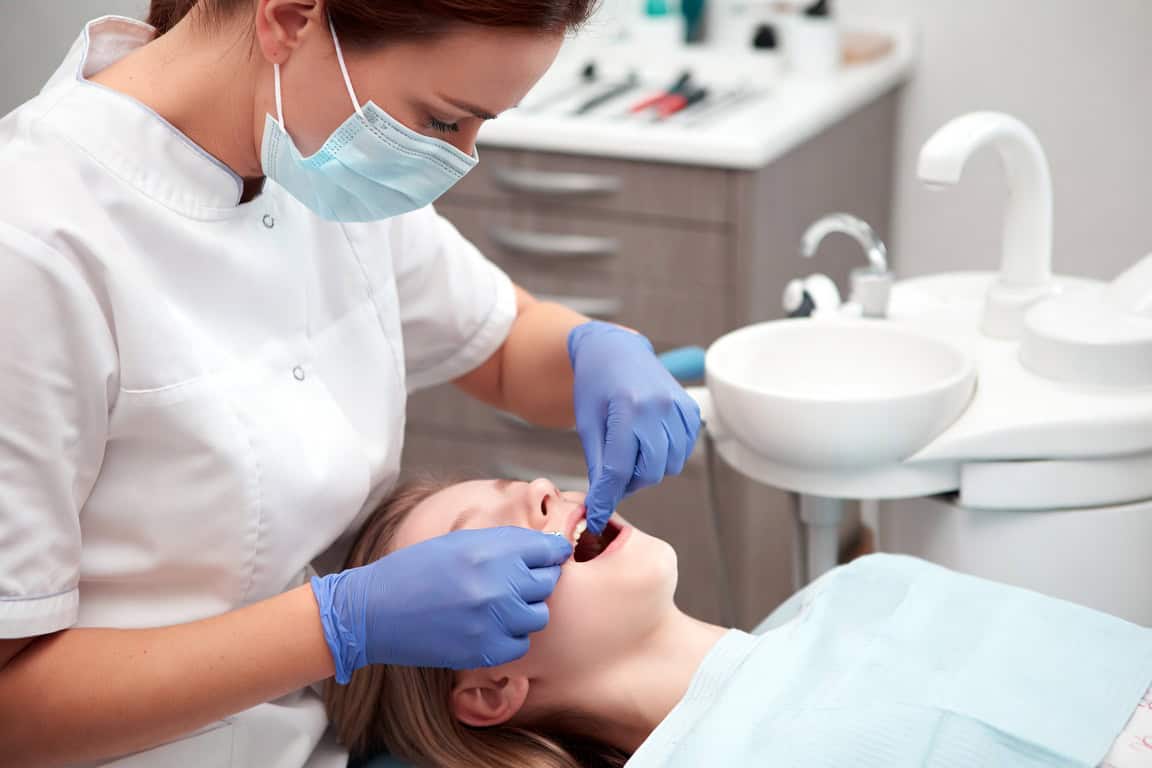
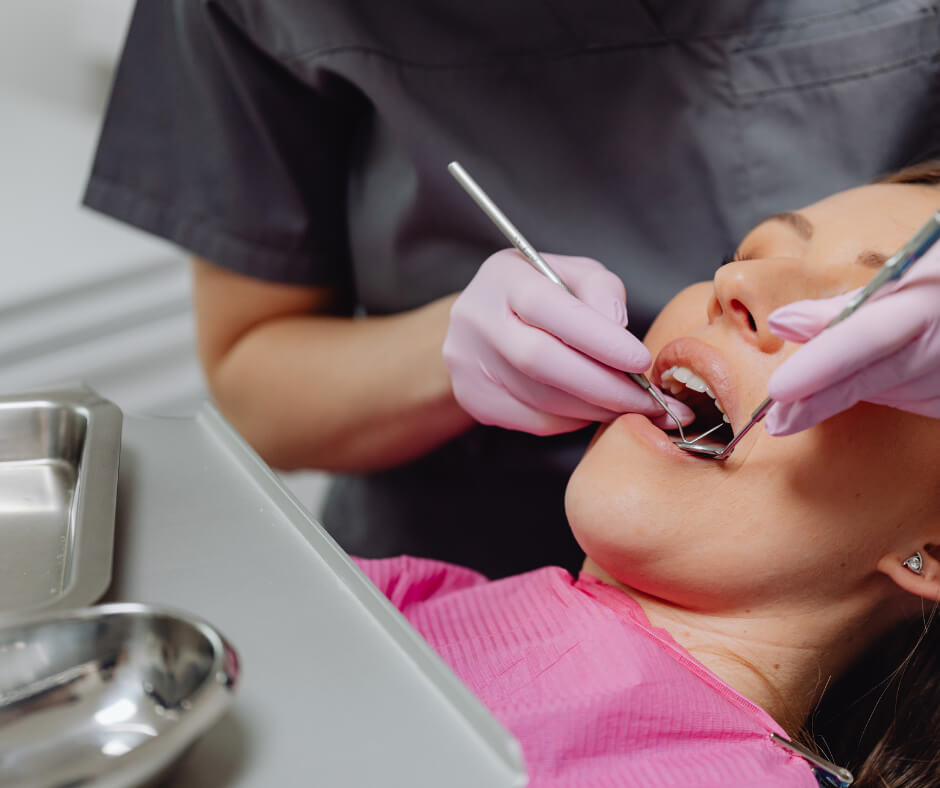
For patients who notice these symptoms, arranging an assessment with a dental professional, such as through routine dental check-ups, can help catch cavities early and prevent further decay.
How Tooth Decay Progresses
Tooth decay does not remain static. Without early treatment, bacteria continue to produce acid, causing further breakdown of the tooth structure.
As decay moves into deeper layers, it can lead to more complex issues such as gum disease, infection or even a tooth abscess. At this stage, symptoms may include severe pain, facial swelling and sensitivity to temperature.
Advanced tooth decay may require more involved treatment options, such as root canal therapy or placement of a dental crown to restore the affected tooth.
Treatment Options for a Small Cavity
When a cavity is detected early, treatment is usually straightforward. Dental fillings are the most common solution, removing decayed tissue and restoring the tooth’s structure.
Patients can explore modern restorative options such as tooth-coloured fillings at Chrysanth Dental Care which blend seamlessly with natural teeth while protecting against further decay.
In cases where decay has progressed, more advanced treatments may be required. These can include root canal treatment to remove infection from the innermost layer and preserve the natural tooth.
The key advantage of early treatment is that it prevents the need for more invasive procedures and reduces the risk of tooth loss.
Can a Small Cavity Heal on Its Own?
A common misconception is that a small cavity can heal without intervention. While fluoride toothpaste and fluoride treatments can help strengthen enamel and slow early decay, they cannot reverse a fully formed hole in the tooth.
Once a cavity has created a physical opening, professional treatment is required to stop tooth decay and restore the tooth. Preventative measures can reduce risk factors, but they cannot repair structural damage caused by bacterial infection.
How to Prevent Further Decay
Preventing further decay involves maintaining strong oral hygiene habits and reducing exposure to cavity-causing bacteria.
Brushing with fluoride toothpaste twice a day, limiting sugary drinks, avoiding frequent snacking on sweet foods and attending regular dental checkups all contribute to better dental health.
Additional protective measures such as dental sealants and fluoride treatments may be recommended for patients at higher risk of developing cavities, particularly on back teeth, where plaque buildup is more common.
When to See a Dentist
Any visible hole in a tooth, even without pain, should be assessed by a dental professional. Waiting until symptoms such as sharp pain or severe pain develop often means the decay has reached a more advanced stage.
Early treatment allows for simpler, less invasive solutions and helps preserve natural teeth. It also reduces the likelihood of complications such as infection, receding gums or damage to surrounding teeth.
Conclusion
A small hole in a tooth with no pain is rarely harmless. It is typically an early indicator of tooth decay that requires prompt attention to prevent further damage. While the absence of pain may suggest the decay is in its early stages, it does not mean the problem will resolve on its own.
At Chrysanth Dental Care, patients receive expert assessment and tailored treatment options designed to protect long-term oral health. Whether you require early intervention, preventative care or advanced restorative treatment, the team provides a comprehensive approach using modern techniques and high-quality materials.
If you have noticed a small cavity or any early signs of tooth decay, visiting Chrysanth Dental Care ensures your dental health is managed proactively and professionally.
Disclaimer:
This blog is for informational purposes only and does not constitute professional dental advice, diagnosis or treatment. If you notice any changes to your oral health, including a hole in your tooth, you should consult a qualified dental professional for a full assessment and appropriate care.