For many patients considering orthodontic treatment, the question “Is Invisalign worth it?” comes down to balancing aesthetics, comfort, cost and long-term oral health. Invisalign treatment has transformed how crooked teeth, bite issues and crowded teeth are corrected, offering a discreet alternative to traditional braces.
Understanding how Invisalign aligners work, who they are suitable for and how they compare to fixed braces is essential when deciding if this clear aligner system is the right solution for you.
What Is Invisalign, and How Does It Work?
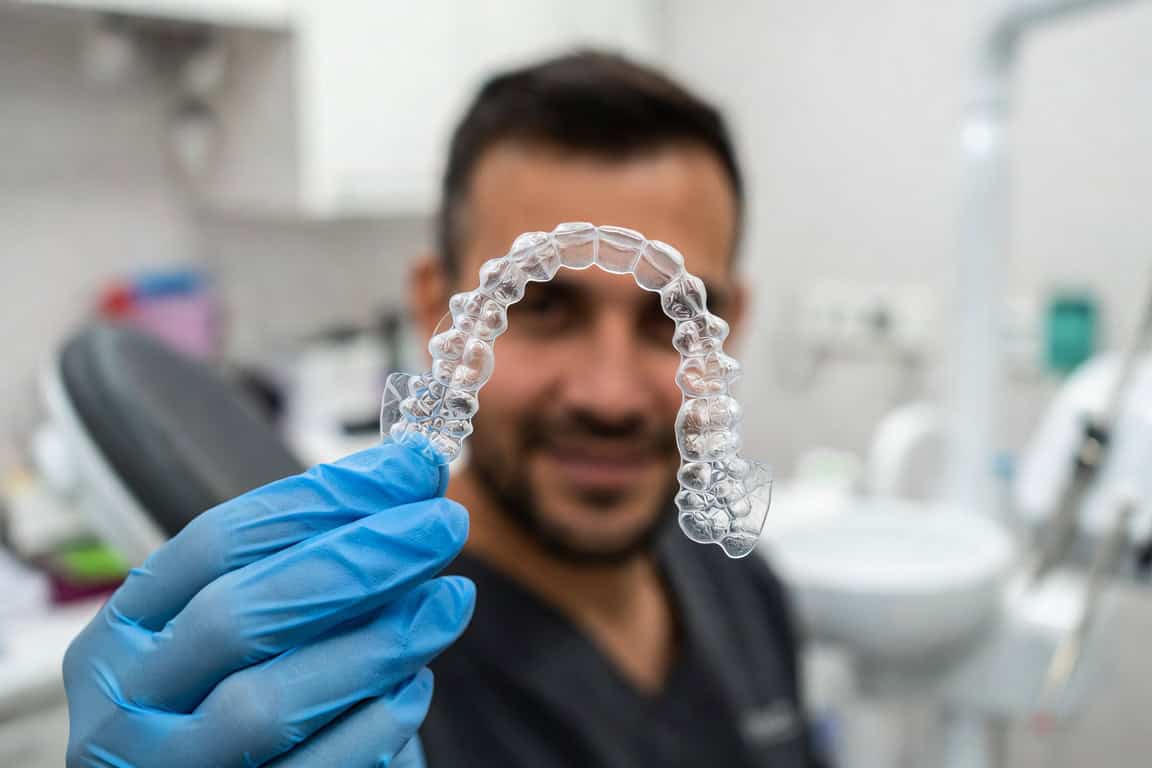
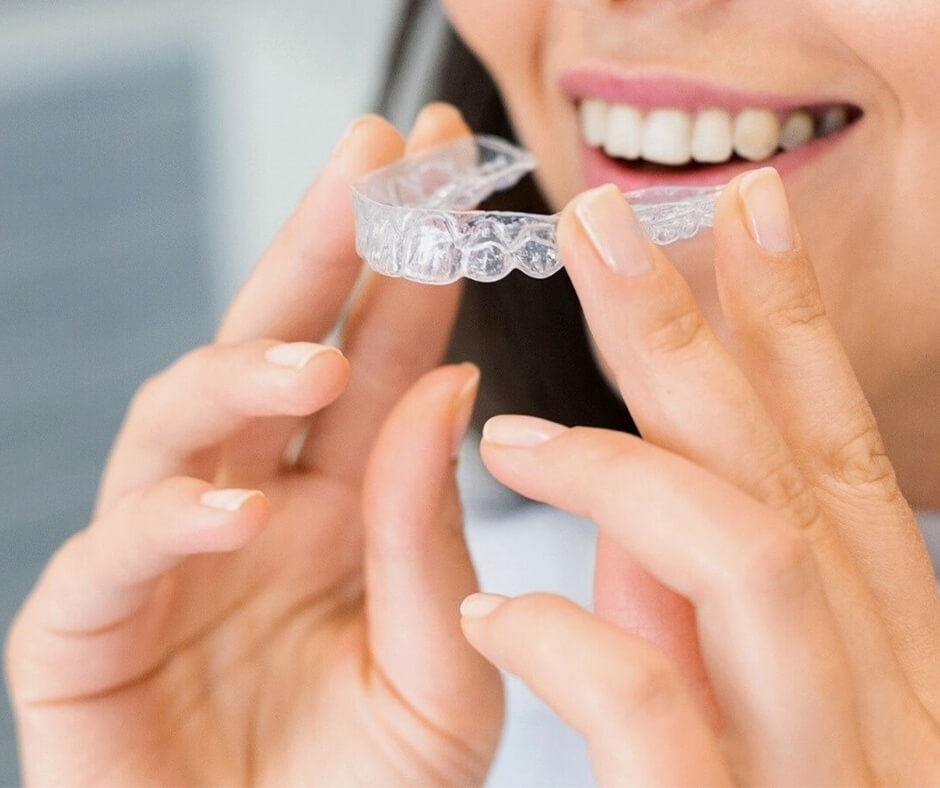
Invisalign is a clear aligner treatment that uses a series of custom-made, nearly invisible aligners to gradually move teeth into their desired position. These clear plastic aligners are designed using advanced treatment planning software, allowing for precise control over tooth movement throughout the Invisalign journey.
Each set of removable trays is typically worn for one to two weeks before progressing to the next stage. Consistent wear is essential, with most patients required to wear aligners for 20 to 22 hours per day to achieve optimal results.
For patients exploring this option, an Invisalign consultation at Chrysanth Dental Care provides a personalised treatment plan tailored to the complexity of the case and individual dental goals.
Invisalign vs Traditional Braces
When comparing Invisalign vs traditional braces, the differences are clear in both appearance and experience. Traditional metal braces and ceramic braces rely on fixed brackets and wires to move teeth. While effective for complex cases, visible metal braces can impact confidence for adult patients and often require more frequent adjustments.
In contrast, Invisalign braces offer a discreet appearance, with virtually invisible aligners made from smooth plastic. This makes them particularly appealing for those seeking a discreet solution without the visual impact of metal or ceramic braces.
Invisalign also allows for easier brushing and flossing, supporting better oral hygiene throughout treatment. Fixed braces can make dental hygiene more challenging, increasing the risk of plaque buildup and tooth decay if not carefully managed. Treatment planning should always be tailored to the individual, whether you receive traditional braces or Invisalign.
Advantages of Invisalign
One of the primary advantages of Invisalign is its discreet appearance. Nearly invisible aligners allow patients to straighten teeth without drawing attention to their orthodontic treatment.
The removable nature of Invisalign aligners also means fewer dietary restrictions. Patients can remove aligners to eat, avoiding the food restrictions commonly associated with traditional metal braces. Invisalign treatment typically involves fewer dental visits, reducing the need for emergency visits caused by broken brackets or wires. This makes it a practical option for patients with busy schedules. Another key benefit is comfort. Clear aligners are made from smooth plastic, reducing irritation to the gums and soft tissues compared to fixed braces.
For those seeking a comprehensive approach to a healthier smile, Invisalign can also be combined with treatments such as professional teeth whitening to enhance overall aesthetic results once teeth are aligned.
Are There Any Limitations?
While Invisalign offers significant advantages, it may not be suitable for all cases. The complexity of your case plays a crucial role in determining whether Invisalign is worth it.
Mild to moderate alignment issues, including crooked teeth, crowded teeth and minor bite issues, are typically well suited to clear aligner treatment. However, more complex cases may require traditional braces or a combination of orthodontic options.
Compliance is another important factor. Invisalign aligners must be worn consistently to be effective. Patients who struggle with wearing aligners for the recommended duration may experience extended treatment time or reduced results.
Invisalign attachments, small tooth-coloured additions bonded to teeth, are sometimes required to improve movement. While discreet, they can slightly affect the otherwise invisible appearance of aligners.
Invisalign Cost and Value
Invisalign cost varies depending on the complexity of the case, treatment time and the number of aligners required. While often more expensive than traditional braces, many patients consider Invisalign worth the investment due to its discreet appearance and convenience.
The value of Invisalign lies not only in aesthetics but also in its contribution to better oral health. Straighter teeth are easier to clean, reducing the risk of gum disease, plaque buildup and tooth decay over time.
Patients considering long-term dental improvements may also explore complementary treatments such as composite bonding to refine the final appearance of their new smile.
Treatment Time and Results
Treatment time for Invisalign varies depending on the complexity of the case, but most Invisalign treatments are completed within 6 to 18 months. Some patients begin to see noticeable improvements within weeks of starting their Invisalign journey.
Because Invisalign uses advanced treatment planning software, patients can often preview their expected results before treatment begins. This level of predictability is a key advantage over traditional orthodontic treatment methods.
Invisalign and Oral Health
Straightening teeth is not solely about aesthetics. Invisalign treatment can significantly improve oral health by correcting alignment issues that contribute to plaque accumulation, uneven wear and gum disease.
Proper alignment allows for more effective brushing and flossing, supporting long-term dental hygiene and reducing the risk of oral health complications.
Maintaining good oral hygiene throughout treatment remains essential. Aligners should be removed for eating and cleaned regularly to prevent bacterial buildup.
Is Invisalign Worth It for You?
Determining whether Invisalign is worth it depends on your individual needs, lifestyle and expectations. For many patients, the combination of discreet appearance, comfort, flexibility and effective results makes Invisalign a preferred choice over traditional braces.
However, the success of treatment depends on consistent wear, adherence to your personalised treatment plan and suitability based on the complexity of your dental issues.
Conclusion
Invisalign offers a modern, discreet and highly effective way to straighten teeth while supporting better oral health. For patients seeking a clear aligner system that fits seamlessly into daily life, Invisalign represents a significant advancement in orthodontic treatment.
At Chrysanth Dental Care, Invisalign treatment is delivered using advanced planning technology and a personalised approach tailored to each patient. From the initial consultation through to the final result, the focus is on achieving a healthier smile with precision and care.
To find out if Invisalign is the right option for you, book a consultation with Chrysanth Dental Care and take the first step towards a confident, straighter smile.
Disclaimer:
The information provided in this blog is intended for general guidance only and should not be considered a substitute for professional dental/orthodontic advice, diagnosis or treatment. Every patient’s condition is different, and if you have concerns about your oral health, you should seek advice from a qualified dental professional as soon as possible.